What If a Storm Hit Tomorrow—Would You Be Ready?
Tornadoes can form quickly, leaving little time to prepare—and in just minutes, they can cause devastating damage.
For homeowners and business owners alike, the concern isn’t just safety. It’s also financial.
When severe weather strikes, many people assume their insurance will cover the damage.
But that’s not always the full picture.
Understanding Tornado Coverage
In most standard homeowners and commercial property insurance policies, tornado damage is typically covered under windstorm or hail coverage.
This means your policy may help pay for damage caused by:
High winds
Flying debris
Structural damage to your property
However, coverage ultimately depends on the specific terms, limits, and exclusions within your policy.
What Is Usually Covered?
If your policy includes windstorm coverage, it may help pay for:
Structural Damage
Repairs to your home or building, including the roof, walls, and foundation.
Personal Property
Damage to belongings inside your home or business, such as furniture, equipment, and inventory.
Additional Living Expenses
If your home becomes uninhabitable, your policy may cover temporary housing and related costs.
What May Not Be Covered
While tornado damage itself is often covered, there are important gaps many people don’t realize.
Flood Damage
Tornadoes can bring heavy rain and flooding—but standard policies typically do not cover flood damage. Separate flood insurance is required.
Neglect or Maintenance Issues
Damage resulting from poor upkeep may be denied.
Policy Limits and Deductibles
Coverage is not unlimited, and you are still responsible for your deductible.
The Role of Deductibles
In some areas, storm-related claims come with a separate wind or hurricane deductible, which may be higher than your standard deductible.
This means:
You may pay more out of pocket before coverage applies
The deductible could be a percentage of your home’s value, not a flat amount
Understanding this ahead of time can prevent costly surprises.
A Real-World Scenario
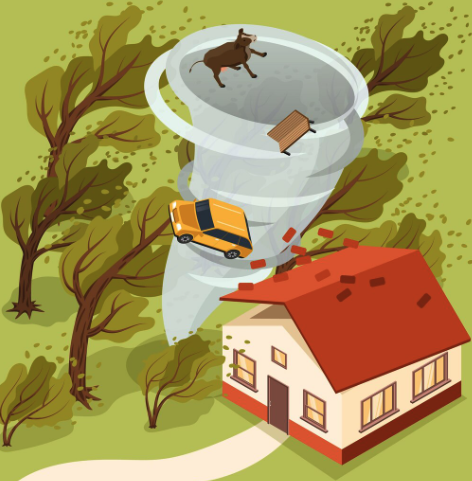
Imagine a tornado passes through your area and damages your roof, windows, and siding.
Your homeowners policy may cover the cost of repairs, helping restore your home.
But there’s a catch.
If the storm also causes water to enter your home from the ground up and results in flooding, those damages may not be covered without a separate flood policy.
This is where many homeowners are caught off guard—thinking they’re fully protected, only to discover gaps after the loss.
How to Make Sure You’re Protected
To better protect yourself from tornado-related risks:
Review your policy for windstorm coverage
Understand your deductible—especially storm-specific deductibles
Check your coverage limits for both structure and contents
Consider flood insurance if you’re in a higher-risk area
Document your property and belongings for easier claims
Why It Matters
Severe weather is unpredictable—but your financial preparedness doesn’t have to be.
The difference between a smooth recovery and a stressful one often comes down to what your policy actually covers.
Final Thoughts
Tornado damage is often covered under standard insurance policies—but not always in the way people expect.
The key isn’t just having insurance.
It’s understanding your coverage before you need it.
Because when a storm hits, the last thing you want to wonder is whether you’re protected—you want to already know.