Does Personal Auto Insurance Cover Food Delivery Driving?
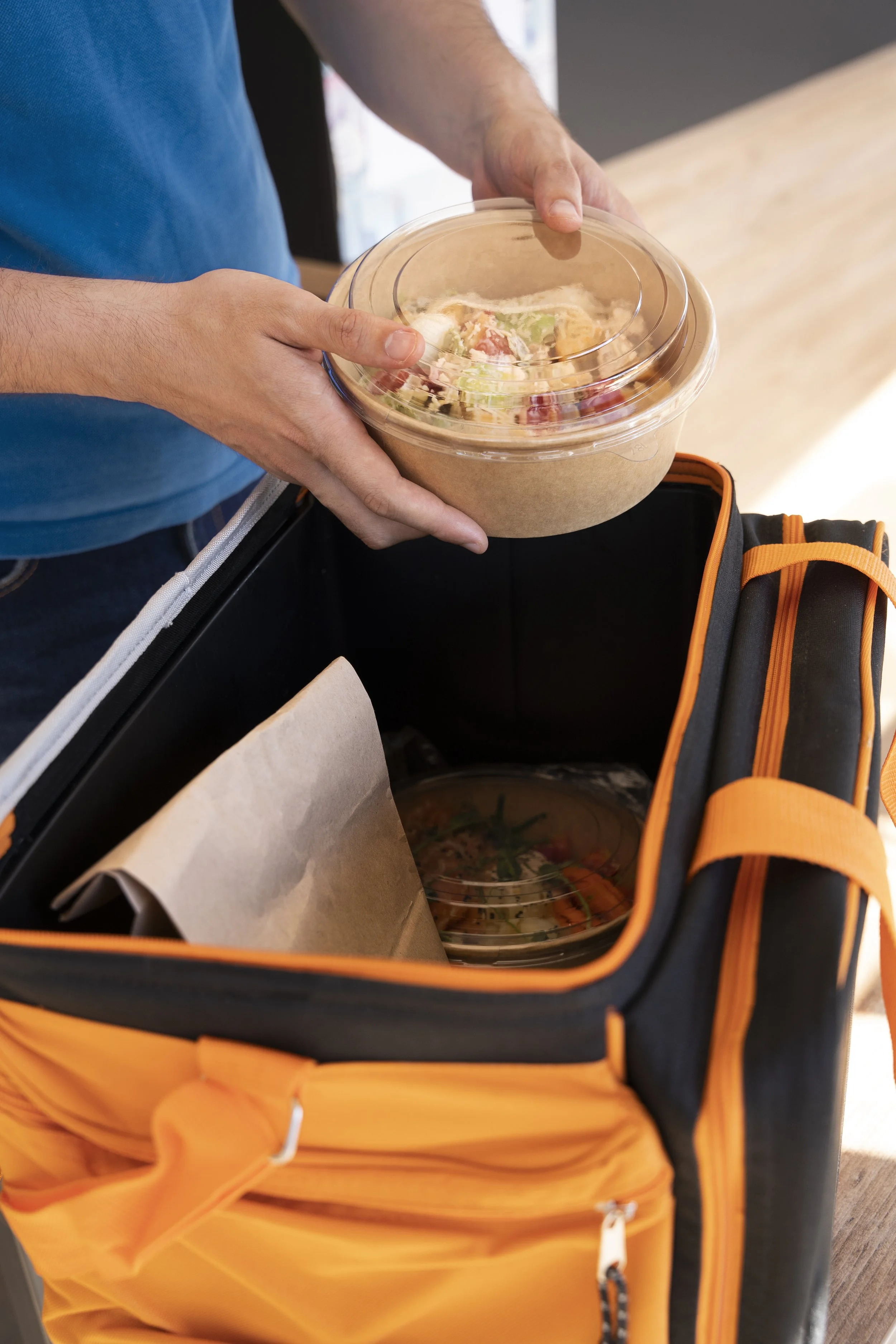
Food delivery services like Uber Eats, DoorDash, Grubhub, and Instacart have created flexible earning opportunities for thousands of drivers across Tennessee and the United States. But many drivers don’t realize there can be a major gap between personal auto insurance and delivery driving.
If you use your vehicle to deliver food, groceries, or other items, it’s important to understand whether your personal auto insurance policy actually covers you while you’re working.
At RISE Insurance, we help drivers better understand their coverage options so they can stay protected both on and off the clock.
The Short Answer: Usually Not
In most cases, a standard personal auto insurance policy does not fully cover commercial activities such as food delivery driving.
Insurance companies generally separate vehicle use into categories:
Personal use
Commuting
Business or commercial use
Food delivery falls into the business-use category because you are using your vehicle to earn income. If your insurer discovers you were delivering food during an accident, your claim could potentially be denied if your policy does not include the proper coverage.
Why Delivery Driving Changes Your Risk
Delivery driving increases the amount of time you spend on the road, often during busy traffic hours, bad weather, or late at night. Drivers may also:
Frequently stop and start
Use navigation apps constantly
Drive in unfamiliar neighborhoods
Park in crowded areas
Experience more exposure to accidents
Because of these increased risks, insurers may require additional coverage beyond a personal auto policy.
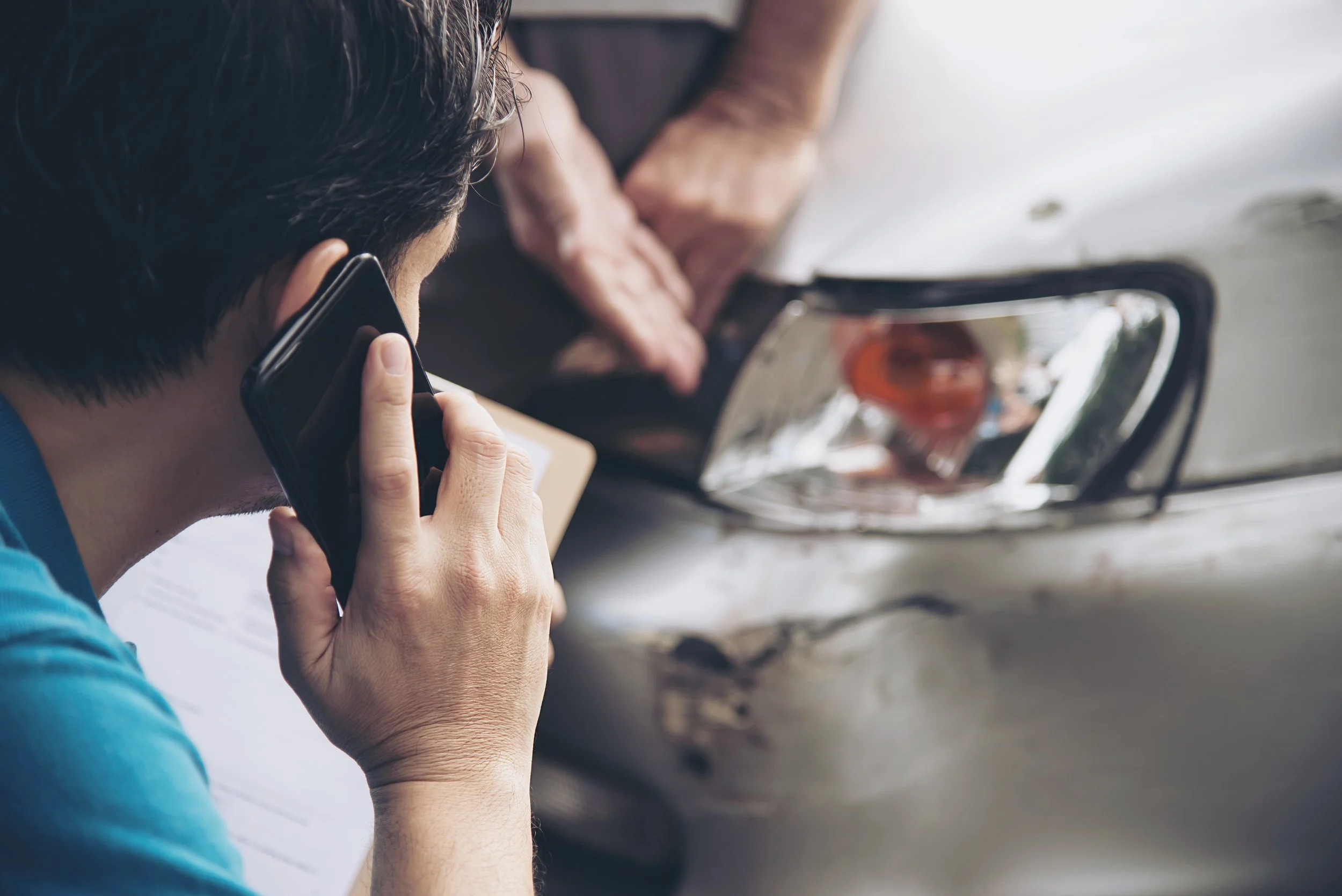
What Happens if You Have an Accident While Delivering?
Coverage depends on several factors, including:
Your insurance company
The delivery platform you work for
Whether you purchased additional endorsements
What stage of the delivery you were in during the accident
For example, some delivery companies provide limited insurance coverage while you are actively making a delivery, but not while waiting for orders.
That can create gaps where you may not have enough protection.
Understanding the Different Delivery Periods
Many delivery apps divide driving activity into periods:
Period 1: App On, Waiting for Orders
You are logged into the app but have not accepted a delivery request.
This is often the biggest coverage gap because some personal insurance policies may exclude coverage, while the delivery company may provide little or no protection.
Period 2: Accepted Order, En Route to Pickup
You have accepted an order and are driving to the restaurant or store.
At this point, some delivery platforms may provide limited liability coverage.
Period 3: Active Delivery
You are transporting the order to the customer.
This is typically when delivery company insurance coverage is strongest, though limits and deductibles vary.
What Is Delivery Driver Insurance?
Some insurance companies offer:
Rideshare endorsements
Delivery driver endorsements
Commercial auto policies
These options can help extend coverage while you are using your vehicle for work-related activities.
A delivery endorsement is often more affordable than a full commercial policy and may be enough for part-time delivery drivers.
At RISE Insurance, we can help drivers explore coverage options that fit their driving habits and income needs.
Does DoorDash or Uber Eats Provide Insurance?
Many delivery platforms provide some level of insurance coverage, but it may only apply during specific delivery periods and often comes with limitations.
For example, coverage may include:
Third-party liability
Excess coverage
Limited physical damage protection
However, these policies may not replace your own insurance and may only apply after your personal coverage is exhausted.
Always review the platform’s insurance terms carefully.
How to Protect Yourself as a Delivery Driver
If you deliver food or groceries using your personal vehicle, consider taking these steps:
Talk to Your Insurance Agent
Be honest about how you use your vehicle. Failing to disclose delivery driving could create problems later if you file a claim.
Review Your Policy Carefully
Understand what is and is not covered while using your vehicle for deliveries.
Consider Additional Coverage
A delivery driver endorsement or commercial coverage may provide valuable protection and peace of mind.
Keep Documentation
Maintain records of:
Your delivery activity
Insurance information
Accident reports
Vehicle maintenance
Why Drivers Choose RISE Insurance
At RISE Insurance, we understand that many drivers rely on delivery apps for full-time income or extra cash. Our team can help review your current policy, explain potential coverage gaps, and discuss insurance options designed for delivery drivers.
Whether you deliver occasionally or every day, having the right protection matters.
Final Thoughts
Food delivery driving can be a great source of extra income, but it also comes with insurance risks many drivers overlook. A personal auto insurance policy may not fully protect you while delivering food, especially during certain stages of app-based driving.
Understanding your coverage before an accident happens can help you avoid unexpected expenses and coverage gaps. If you use your vehicle for food delivery, reviewing your insurance options now could save you significant stress later.