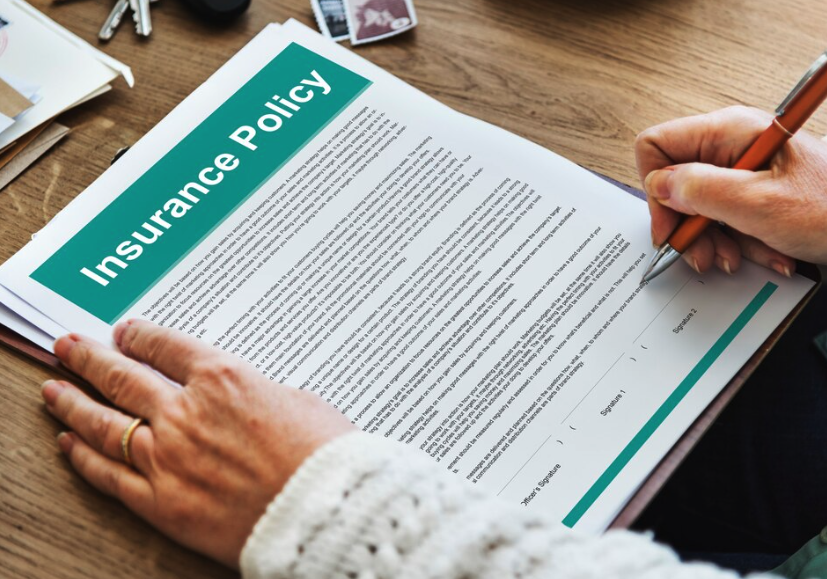
How to Read Your Insurance Policy (A Practical Guide)
Insurance policies are detailed documents designed to outline your coverage, responsibilities, and financial protection. Taking the time to review and understand your policy ensures there are no surprises when you need to file a claim.
Here’s how to read your insurance policy effectively.
📌 1. Review the Declarations Page
The Declarations Page provides a summary of your policy, including:
Named insured(s)
Policy number
Coverage types
Coverage limits
Policy period
This section serves as a quick reference for what your policy includes. Ensure all listed information is accurate and reflects your current needs.
🛡️ 2. Analyze Coverage Details
The coverage section outlines what risks and events are insured under your policy.
Depending on your policy type, this may include:
Property damage (commercial or personal)
Liability protection
Vehicle damage or loss
Pay close attention to the scope of coverage and any specific conditions attached to each type.
❌ 3. Examine Exclusions Carefully
Exclusions define what is not covered under your policy and can significantly impact claims.
Common exclusions may include:
Wear and tear or gradual damage
Negligence or lack of maintenance
Specific high-risk events not included in standard coverage
Understanding exclusions is critical to identifying potential coverage gaps.
💸 4. Understand Deductibles and Coverage Limits
Every policy includes financial thresholds that determine cost-sharing:
Deductible: The amount you must pay before coverage applies
Coverage Limits: The maximum amount the insurer will pay
Review whether these limits align with your risk exposure and financial capacity.
📊 5. Review Premiums and Payment Terms
This section outlines:
Premium amounts
Payment frequency and due dates
Consequences of missed payments
Maintaining timely payments ensures your coverage remains active without interruption.
📝 6. Understand the Claims Process
Your policy will detail the procedures required when filing a claim, including:
Notification timelines
Required documentation
Claims evaluation process
Being familiar with these steps can streamline the process during time-sensitive situations.
🔍 7. Pay Attention to Conditions and Endorsements
Policies often include conditions and endorsements that modify coverage.
Conditions: Requirements you must meet (e.g., maintenance, reporting timelines)
Endorsements: Additions or changes that customize your policy
These elements can expand or limit your coverage, so they should be reviewed carefully.
✅ Final Thoughts
An insurance policy is more than just a document—it is a contract that defines your protection and obligations. A thorough review helps ensure your coverage aligns with your actual risks.
If any part of your policy is unclear, consult your insurance provider for clarification.
Understanding your policy today can prevent costly misunderstandings tomorrow.