Insurance in the Age of Automation: Are You Over-Insured or Under-Protected?
Automation has become part of everyday life. Smart homes adjust temperatures automatically, security systems send instant alerts, and businesses rely on automated equipment, cloud platforms, and AI-driven tools to stay competitive. While these technologies improve efficiency and convenience, they also change the way risk looks—and many insurance policies haven’t fully caught up.
Automation Is Reshaping Risk
Traditional insurance was built around physical assets: buildings, equipment, and inventory. Automation introduces new layers of exposure, including system failures, software malfunctions, power interruptions, and cyber incidents. When automated systems go down, losses often extend beyond repairs to include downtime, lost data, and interrupted operations.
The Over-Insurance Trap
In response to uncertainty, some homeowners and business owners add coverage broadly without understanding where real risk exists. This can lead to paying higher premiums for protections that may never be used, while more relevant exposures remain lightly covered or excluded altogether. Insurance works best when it’s targeted—not when it’s excessive.
Where Under-Protection Happens Most
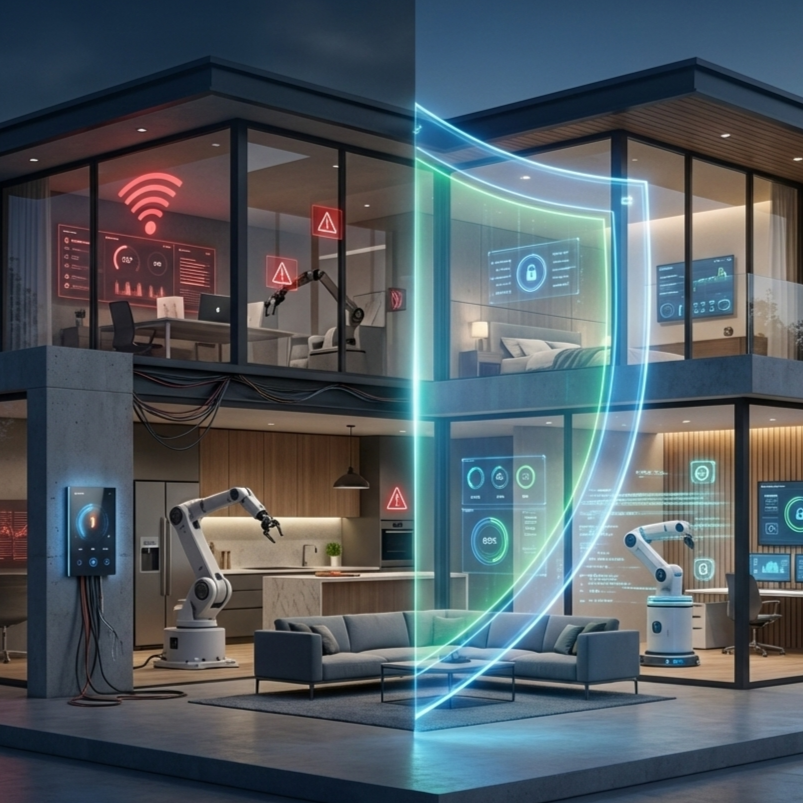
Under-protection often hides in areas that feel “intangible.” Smart home technology, connected appliances, and digital systems may have limited coverage unless endorsements are added. For businesses, automation-related losses often involve cyber liability, equipment breakdown, or business interruption—areas that require careful limits and clear definitions to work as expected.
Automation Increases Dependency
The more automated a system is, the more dependent we become on it. A single failure can trigger multiple problems at once. A hacked smart device, a software update error, or a power surge can affect entire systems rather than a single component. Insurance policies should reflect this interconnected reality, not treat each loss in isolation.
The Importance of Regular Reviews
As automation evolves, insurance reviews should happen more frequently. New technology, software upgrades, expanded digital operations, or automated equipment all change risk profiles. Coverage that made sense two years ago may no longer align with how a home or business functions today.
Striking the Right Balance
The goal in the age of automation isn’t simply to carry more insurance—it’s to carry the right insurance. Well-structured coverage protects critical systems, supports recovery after disruptions, and avoids unnecessary costs. Understanding where you may be over-insured or under-protected can make insurance a strategic advantage rather than an afterthought.
As we move into 2026 and beyond, automation will continue to accelerate. Making sure your insurance evolves alongside it can help protect not just your property, but your peace of mind.