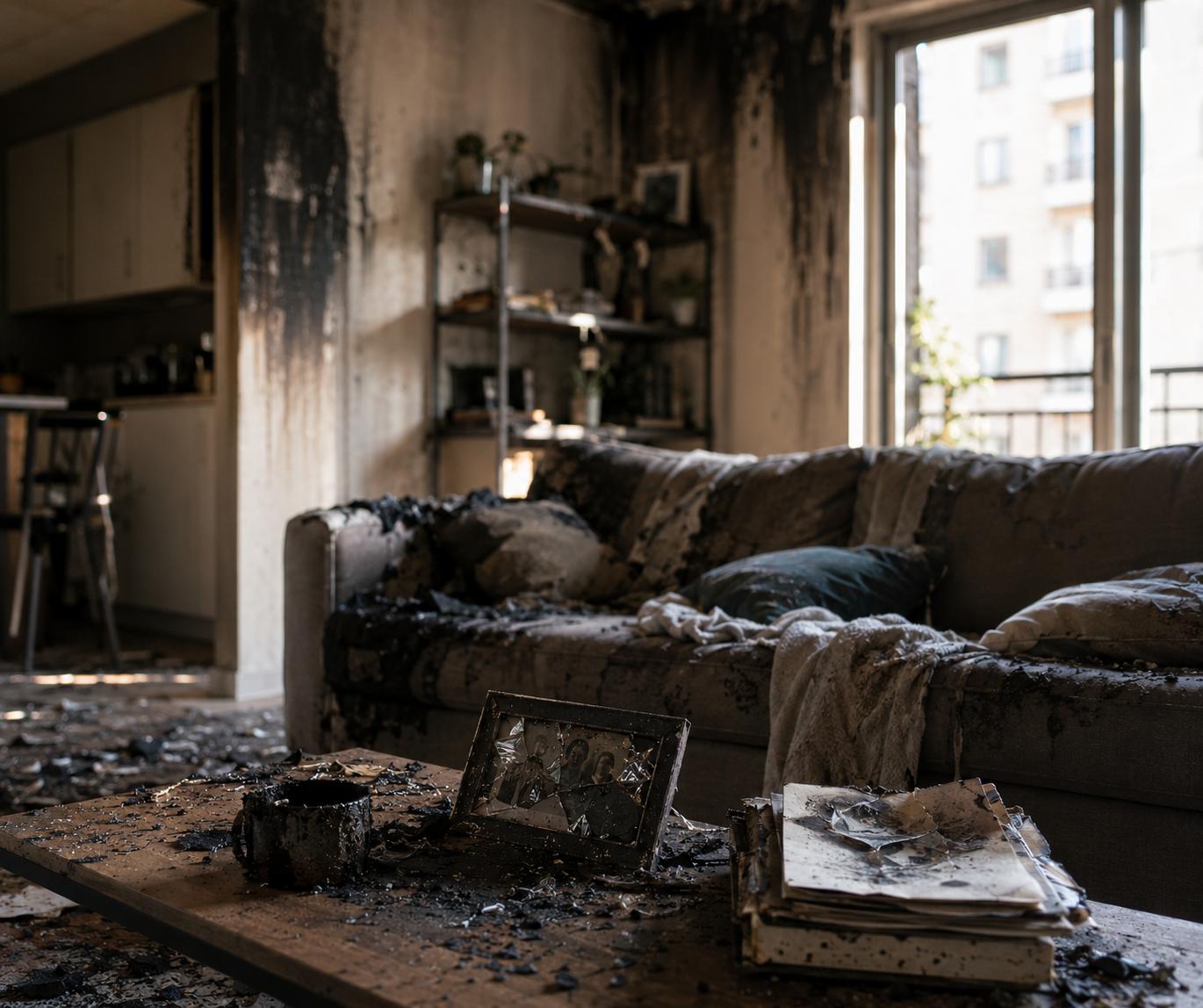
Landlord vs. Tenant Responsibilities: And How Insurance Protects Both Sides
Renting out or living in a property comes with shared responsibilities—but when something goes wrong, who pays for what? That’s where understanding responsibilities and having the right insurance coverage makes all the difference.
Whether you’re a landlord or a tenant, knowing how your role connects to insurance can help you avoid costly surprises.
Why Responsibilities and Insurance Go Hand-in-Hand
Even when responsibilities are clearly defined, accidents still happen. A pipe can burst, a fire can start, or someone could get injured on the property.
Without proper insurance:
Landlords risk major property and liability losses
Tenants risk losing personal belongings with no coverage
Insurance acts as a safety net when real life doesn’t go according to plan.
Landlord Responsibilities (and Insurance Protection)
Landlords are responsible for the structure and overall condition of the property—but they also need protection for the risks that come with ownership.
Property Maintenance & Structural Repairs
Landlords handle major repairs like roofing, plumbing, and electrical systems.
👉 Insurance tie-in:
A landlord insurance policy typically helps cover:
Damage to the building from fire, storms, or certain disasters
Repair or rebuilding costs after covered events
Liability Protection
If a tenant or guest gets injured due to unsafe conditions (like a broken stair), the landlord could be held liable.
👉 Insurance tie-in:
Landlord liability coverage can help pay for:
Medical expenses
Legal fees
Settlements or judgments
Loss of Rental Income
If the property becomes unlivable due to a covered event, landlords may lose rental income.
👉 Insurance tie-in:
Many landlord policies include loss of income coverage, helping replace missed rent during repairs.
Tenant Responsibilities (and Insurance Protection)
Tenants are responsible for their behavior, belongings, and day-to-day care of the space—but many overlook the importance of renters insurance.
Personal Belongings
Your landlord’s insurance does NOT cover your personal items.
👉 Insurance tie-in:
Renters insurance can cover:
Furniture, electronics, clothing, and more
Losses from theft, fire, or certain types of water damage
Accidental Damage
If a tenant accidentally causes damage (like a kitchen fire), they may be financially responsible.
👉 Insurance tie-in:
Renters insurance often includes liability coverage that can help pay for:
Damage to the property
Legal expenses if the landlord files a claim
Temporary Living Expenses
If the rental becomes uninhabitable, tenants still need a place to stay.
👉 Insurance tie-in:
Renters insurance can help cover:
Hotel stays
Meals and additional living costs
Where Confusion Often Happens
Here are some common scenarios and who’s typically responsible:
Fire caused by tenant cooking
→ Tenant may be liable; renters insurance can help cover damagesRoof leak from storm damage
→ Landlord responsibility; landlord insurance may cover repairsStolen laptop from apartment
→ Tenant responsibility; renters insurance covers belongingsGuest injury inside unit
→ Could involve both parties depending on cause; liability coverage is key
Shared Risk = Shared Responsibility
Even with clear roles, risks overlap. That’s why both landlord and tenant insurance are essential—not optional.
Think of it this way:
Landlord insurance protects the property owner’s investment
Renters insurance protects the tenant’s lifestyle and finances
Tips for Better Protection
Landlords: Require renters insurance in your lease agreement
Tenants: Don’t assume you’re covered—get your own policy
Both: Review coverage regularly and understand what’s included
Document everything: Photos and communication can make claims smoother
Final Thoughts
Responsibilities define who should handle a situation—but insurance determines who’s financially protected when things go wrong.
The best rental experiences happen when both landlords and tenants are not only informed—but also properly insured.