Why Insurance Companies Are Suddenly Inspecting Roofs With Drones
In neighborhoods across the country, homeowners are looking up and noticing something unusual hovering above their houses: drones. What used to require ladders, tape measures, and a team of inspectors can now be done in minutes from the ground. Insurance companies are rapidly adopting drone technology to inspect roofs, assess property conditions, and process claims faster than ever before.
But why now? And what does it mean for homeowners?
Here’s why insurers are turning to drones — and how this growing trend could affect your coverage, claims, and privacy.
The Traditional Roof Inspection Problem
For decades, roof inspections have been one of the most time-consuming and expensive parts of property insurance. Whether it was for underwriting a new policy or evaluating storm damage, insurers relied heavily on human inspectors physically climbing onto roofs.
This approach came with several problems:
Safety risks for inspectors
Slow turnaround times
High labor costs
Limited access to steep or damaged roofs
Inconsistent assessments depending on the inspector
After major storms or hurricanes, these challenges become even bigger. Insurance companies can face thousands of claims at once, creating delays that frustrate homeowners waiting for payouts.
Drones are changing all of that.
Why Drones Are Becoming the New Standard
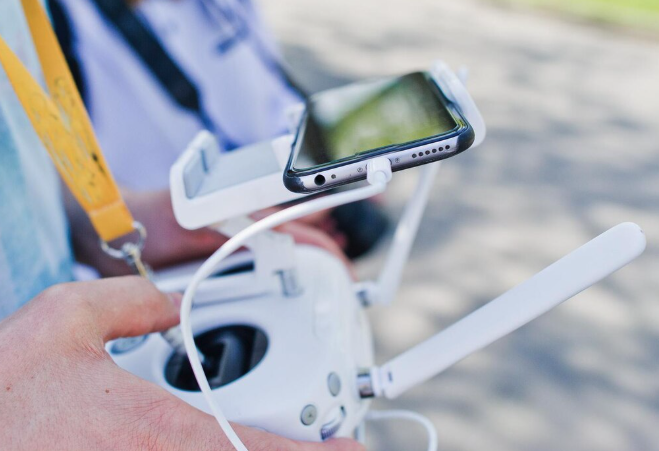
Modern inspection drones are equipped with ultra-high-resolution cameras, thermal imaging, AI-assisted analytics, and mapping software. They can capture detailed images of a roof in minutes without anyone leaving the ground.
Insurance companies love this for several reasons.
1. Faster Claims Processing
After severe weather events, insurers need to inspect massive numbers of homes quickly. Drones allow adjusters to inspect properties much faster than traditional methods.
Instead of scheduling days or weeks in advance, a drone operator can survey multiple homes in a single afternoon. This speeds up claims decisions and helps insurers reduce backlogs.
For homeowners, this often means:
Faster claim approvals
Quicker repair estimates
Shorter wait times for payouts
2. Lower Operational Costs
Traditional inspections require manpower, equipment, travel, and liability coverage. Drone inspections dramatically reduce these expenses.
A single drone operator can inspect properties at a fraction of the cost of a full inspection crew. Over thousands of policies, the savings become enormous.
Lower costs also help insurers:
Improve efficiency
Reduce overhead
Scale inspections after disasters
In a highly competitive insurance market, efficiency matters.
3. Better Accuracy and Documentation
Drone cameras can capture angles and details that human inspectors may miss. Many systems now use artificial intelligence to identify:
Missing shingles
Cracks
Water damage
Hail impacts
Structural weaknesses
The result is more consistent documentation and fewer disputes over claim assessments.
Insurers can also store detailed digital records of a property over time, making it easier to compare “before” and “after” conditions after storms.
4. Safer Inspections
Roof inspections are dangerous work. Falls remain one of the leading risks for field inspectors.
Drones eliminate much of that danger by allowing inspections to happen remotely. This protects workers while also reducing liability costs for insurance companies.
How AI and Drones Work Together
The real revolution isn’t just the drone itself — it’s the software behind it.
Many insurers now combine drone footage with AI-powered analytics systems that can automatically flag damage or estimate repair costs.
Some systems can:
Generate 3D roof models
Measure roof dimensions instantly
Detect weather-related damage patterns
Predict future maintenance risks
This technology transforms inspections from a manual process into a data-driven operation.
What This Means for Homeowners
Drone inspections can benefit homeowners, but they also raise concerns.
The Benefits
Homeowners may experience:
Faster claims
Less intrusive inspections
More accurate damage assessments
Improved safety around the property
In some cases, drone imagery can even help homeowners identify maintenance issues before they become major problems.
The Concerns
Not everyone is comfortable with drones flying over private property.
Some homeowners worry about:
Privacy
Data collection
Surveillance
Incorrect AI assessments
Policy cancellations based on drone imagery
There have already been reports of insurers using aerial imagery to identify aging roofs or maintenance issues that could lead to higher premiums or policy non-renewals.
In some cases, homeowners were unaware their roof had even been inspected remotely.
Can Insurance Companies Legally Use Drones?
In most areas, yes — as long as operators follow aviation and privacy laws.
Insurance companies typically hire licensed drone operators who comply with local aviation regulations. Since roofs are generally visible from public airspace, aerial inspections are often considered legally permissible.
However, laws vary by state and country, especially regarding:
Privacy rights
Data retention
Consent requirements
Low-altitude drone flights
As drone use expands, regulations are expected to evolve.
The Future of Insurance Inspections
Drone adoption is still growing rapidly. Industry experts predict drones will become standard practice for:
Home insurance inspections
Commercial property assessments
Disaster response
Risk evaluation
Preventive maintenance analysis
In the near future, insurers may rely even more heavily on:
AI automation
Satellite imagery
Predictive analytics
Real-time weather risk modeling
The goal is simple: faster decisions with lower costs and more data.
Final Thoughts
Insurance companies aren’t using drones just because the technology looks futuristic — they’re using them because drones solve real business problems.
They make inspections:
Faster
Safer
Cheaper
More accurate
For homeowners, the shift brings both convenience and new questions about privacy and oversight. As drone technology becomes more common, understanding how insurers use aerial data will become increasingly important.
The next time you hear a buzzing sound above your neighborhood after a storm, there’s a good chance it’s not a hobbyist pilot — it’s the future of insurance already at work.
For support with your insurance needs, RISE Insurance is here to help. Give us a call at 423-541-1111 — we’d be happy to assist you!