Can a Frozen Pipe Turn Into an Insurance Nightmare?
When temperatures drop in Tennessee, homeowners often think about staying warm, protecting outdoor faucets, and keeping their homes comfortable. But there's one winter problem that can cause thousands of dollars in damage before you even realize something is wrong: a frozen pipe.
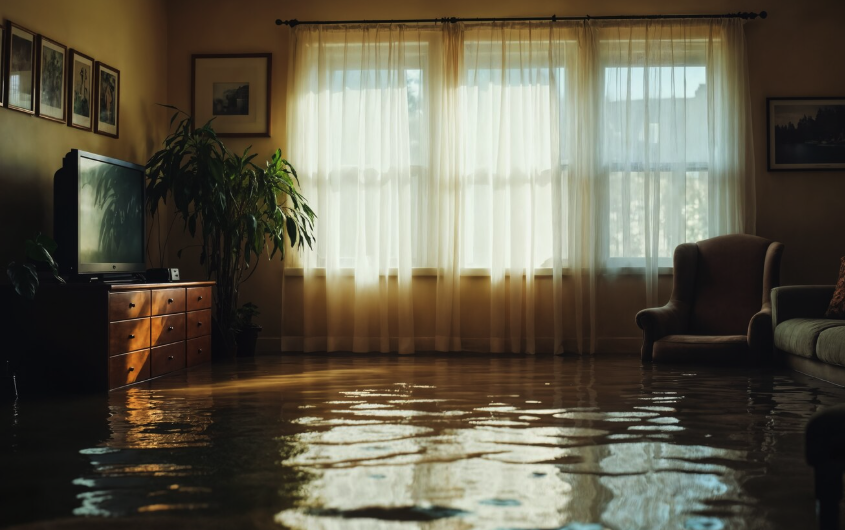
A pipe can freeze during a cold snap, expand, and crack. When the ice thaws, water may rush into walls, ceilings, floors, and personal belongings. What starts as a cold-weather inconvenience can quickly turn into a costly home repair.
But here's the big question: Will your homeowners insurance cover the damage?
Let's look at what Tennessee homeowners should know before the next freeze.
How Can a Frozen Pipe Cause So Much Damage?
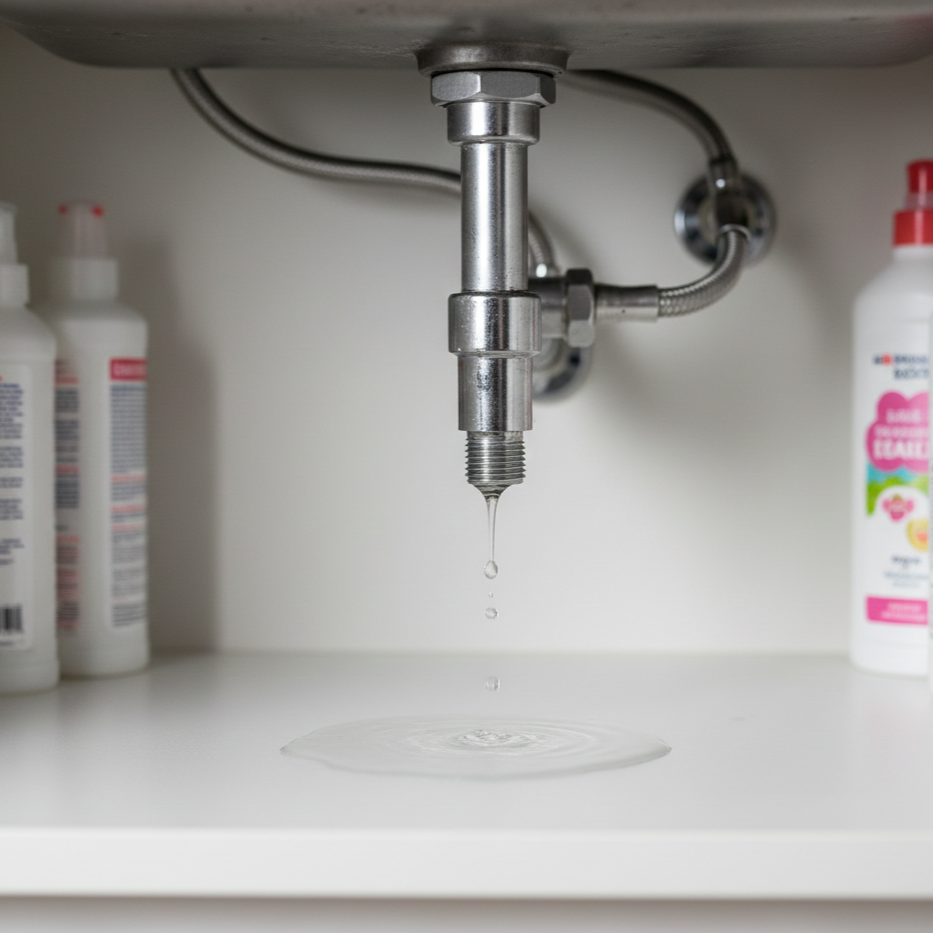
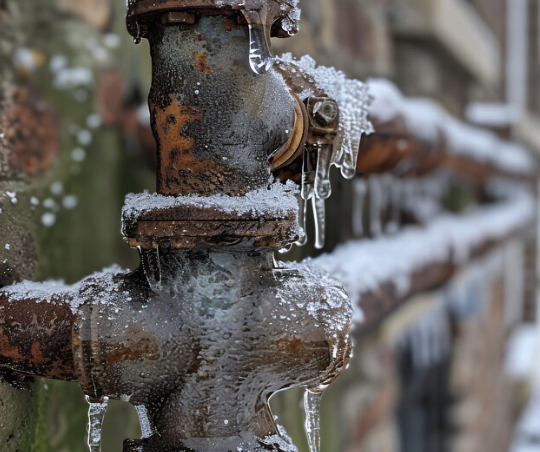
Water expands when it freezes. If water inside a pipe freezes, the pressure can cause the pipe to crack or burst. The damage may not become obvious until temperatures rise and the ice begins to melt.
A burst pipe can lead to:
Water-damaged drywall, flooring, and ceilings
Damaged furniture, electronics, and personal belongings
Mold or mildew concerns if moisture is not addressed promptly
Expensive plumbing repairs and cleanup
Temporary displacement if the home becomes unlivable during covered repairs
Pipes in unheated areas are especially vulnerable, including crawl spaces, attics, garages, basements, and cabinets along exterior walls.
Even Tennessee homes that rarely experience prolonged freezing weather can be at risk when temperatures suddenly plunge.
Does Homeowners Insurance Cover Frozen Pipes?
It may. Coverage depends on your specific policy and the circumstances surrounding the damage.
Many standard homeowners policies may cover sudden and accidental water damage caused by a frozen or burst pipe. However, coverage is not automatic in every situation.
Your insurer may consider factors such as how the pipe froze, whether the home was adequately heated, whether reasonable precautions were taken, and whether a policy exclusion applies.
For example, if a pipe suddenly bursts during a cold snap and damages your kitchen, your policy may help pay for eligible repairs to the resulting damage, subject to your deductible, limits, and policy terms.
However, if damage results from neglect, an unrepaired plumbing problem, or failure to take reasonable steps to protect the home, coverage may be limited or denied under the applicable policy language.
That's why it is important to understand your policy before winter weather arrives.
What Does Insurance Usually Pay For—and What Might It Not?
A frozen-pipe claim can involve several different expenses. They may not all be treated the same way under your policy.
Water damage to your home
Covered resulting damage to items such as drywall, ceilings, flooring, or cabinets may be eligible for payment under your homeowners policy.
Repairs to the broken pipe
The cost to repair or replace the pipe itself may be treated differently from the resulting water damage. Some policies exclude the failed plumbing component while covering certain resulting damage.
Damaged personal belongings
Furniture, clothing, electronics, and other belongings may be covered if the loss is insured, subject to applicable limits, exclusions, and settlement provisions.
Mold or mildew
Mold-related coverage can be limited. Some policies provide restricted coverage when mold results from a covered water loss, while others impose specific conditions or exclusions.
Temporary living expenses
If covered damage makes your home uninhabitable, additional living expenses coverage may help pay eligible extra costs while covered repairs are completed, subject to the policy's terms and limits.
Remember: Every policy is different. Do not assume that every expense associated with a frozen pipe will automatically be covered.
What Should You Do If a Pipe Freezes or Bursts?
Acting quickly can help reduce further damage and make the claims process easier.
Shut off the water if it is safe to do so. If a pipe has burst, turn off the main water supply if you can safely reach it.
Contact a qualified plumber. If you suspect a frozen pipe, avoid using an open flame or other direct high heat to thaw it. If a pipe has burst or you cannot safely address the situation, get professional help.
Protect your home from further damage. Take reasonable steps to prevent additional water from spreading, provided it is safe to do so.
Document the damage. Take photos and videos of the affected areas and damaged belongings before cleanup, when possible.
Contact your insurance company or agent. Report the loss promptly and ask about next steps, documentation, and the claims process.
Keep receipts. Save receipts for emergency plumbing, cleanup, temporary repairs, and other related expenses.
Do not delay urgent repairs just to wait for an inspection. Take reasonable steps to protect the property and coordinate with your insurer as soon as practical.
7 Ways to Help Prevent Frozen Pipes This Winter
The best way to handle a frozen-pipe claim is to reduce the chance of one happening in the first place.
1. Keep your home adequately heated
Maintain a reasonable indoor temperature during cold weather, including when you are away. Follow your insurer's requirements for vacant or unoccupied homes, if applicable.
2. Insulate exposed pipes
Pay special attention to pipes in crawl spaces, garages, attics, and other areas exposed to cold air.
3. Seal drafts and air leaks
Cold air entering through gaps around windows, doors, foundations, or utility openings can make nearby pipes more vulnerable.
4. Open cabinet doors when appropriate
During extreme cold, opening kitchen or bathroom cabinet doors can help warm air circulate around pipes along exterior walls. Keep household chemicals and other hazardous items safely away from children and pets.
5. Disconnect outdoor hoses
Disconnect garden hoses and follow the manufacturer's instructions for protecting outdoor faucets and irrigation systems.
6. Know where your main water shutoff is
If a pipe bursts, knowing how to shut off the water can help limit damage.
7. Prepare before leaving town
If you plan to travel during freezing weather, arrange for someone to check on your home when appropriate. Follow your policy's conditions for maintaining heat, shutting off water, or checking the property while you are away.
Before Winter Arrives, Review Your Homeowners Insurance
Preventive maintenance is important, but it is only one part of protecting your home. Your homeowners insurance is another.
Before freezing temperatures arrive, review your policy and make sure you understand:
Your deductible for covered property damage
How your policy treats sudden and accidental water damage
Any exclusions or conditions related to freezing pipes
Requirements for maintaining heat or checking an unoccupied home
Whether additional living expenses coverage is included
Any limits that may apply to water damage or mold remediation
A quick policy review can help you identify questions before an emergency occurs, rather than trying to interpret your coverage while dealing with a flooded home.
Don't Let a Cold Snap Catch You Unprepared
A frozen pipe may seem like a small plumbing problem, but the resulting water damage can quickly become a major headache. A little preparation, quick action, and a clear understanding of your insurance can make a difference.
At RISE Insurance, we help Tennessee homeowners understand their coverage and explore options that fit their needs. If you have questions about your homeowners insurance before the next cold snap, we're here to help.
Stay warm, protect your home, and prepare before temperatures drop.
RISE Insurance
📞 423-541-1111