The Water Is in Your House—But Is It a Home Insurance Claim or a Flood Claim?
Water in Your Home Doesn't Always Mean the Same Insurance Claim
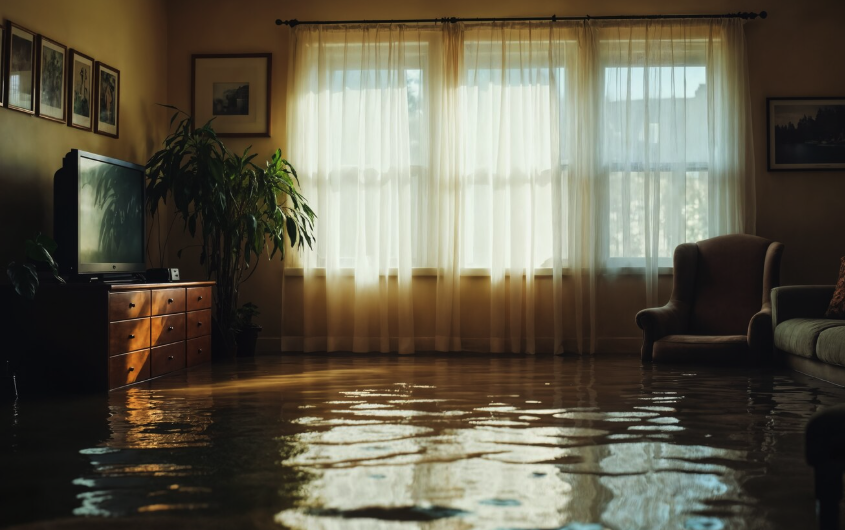
Imagine coming home after a major Tennessee storm and finding water inside your house.
The floors are soaked. Furniture is damaged. Walls are wet.
Your first thought might be:
“I have homeowners insurance. Isn't this covered?”
Maybe.
The important question is:
Where did the water come from?
Water damage from a burst pipe, a damaged roof, an overflowing river, or rising stormwater can all look similar after the fact—but they may be treated very differently by insurance.
For Tennessee homeowners, understanding the difference between water damage and flood damage can make a major difference when it comes to knowing what coverage you have.
What Is Considered Flood Damage?
A standard homeowners policy generally does not cover damage caused by flooding.
Flood insurance is designed to provide coverage for eligible flood-related damage to your home and/or belongings, depending on the policy and limits selected.
Flooding can happen when water comes from sources such as:
Overflowing rivers
Creeks and streams
Heavy rainfall
Flash flooding
Stormwater
Rising water
Poor drainage
Water covering normally dry land
And here's something many Tennessee homeowners don't realize:
You don't have to live next to a river to experience flooding.
Flooding can happen in communities throughout Tennessee, including areas outside mapped high-risk flood zones.
Heavy rain, overwhelmed drainage systems, saturated ground, and flash flooding can all cause water to enter homes.
So When Might Homeowners Insurance Cover Water Damage?
Not every water-related loss is considered flooding.
For example, depending on your policy, homeowners insurance may provide coverage for certain sudden and accidental water damage.
Examples could include:
🚰 A Burst Pipe
A pipe unexpectedly breaks inside your home and releases water.
The resulting damage may be covered under your homeowners policy, subject to the policy's terms, exclusions, deductible, and circumstances surrounding the loss.
🏠 A Roof Is Damaged by a Covered Storm
A covered storm damages your roof and rain enters through the resulting opening.
The resulting interior damage may be treated differently from damage caused by rising floodwater.
🧊 A Water Heater Suddenly Fails
A water heater unexpectedly ruptures and releases water throughout part of the home.
Again, coverage depends on the circumstances and the specific policy.
The important point is:
Water damage and flood damage are not automatically the same thing.
What About Water Backing Up Through a Drain?
This is another area that can cause confusion.
Water coming into your home through a backed-up sewer or drain is not necessarily the same thing as floodwater.
However, many homeowners policies have limitations or exclusions involving water backup and sump overflow.
Some insurers offer an endorsement that can provide additional coverage for certain types of backup.
That's why it's important to look at your actual policy rather than assuming:
“My homeowners insurance covers water, so I'm covered.”
The type of water, where it came from, and the policy language can all matter.
Why Tennessee Homeowners Shouldn't Ignore Flood Risk
Flooding is a real risk in Tennessee.
You may live near a river, creek, or stream—or you may live miles away from one.
Flash flooding and heavy rainfall can create flooding in areas that homeowners don't necessarily consider flood-prone.
Tennessee's flood resources also emphasize that flooding can occur outside mapped high-risk areas.
That means:
“I'm not in a flood zone” doesn't necessarily mean “I can't flood.”
Flood maps are useful tools for understanding risk, but they don't eliminate the possibility of flooding outside designated high-risk areas.
What If My Neighbor's Property Floods but Mine Doesn't?
Flood risk can vary significantly even between nearby properties.
Two homes on the same street may have different elevations, drainage characteristics, construction features, or exposures.
That's one reason flood insurance shouldn't be viewed as something only people living immediately beside a river need.
Your insurance professional can help you look at your property's specific circumstances and available flood coverage options.
Does Homeowners Insurance Cover Flood Cleanup?
This is where homeowners can be caught off guard.
If flooding damages your home, you may have significant expenses involving:
Flooring
Drywall
Cabinets
Furniture
Appliances
Personal belongings
Electrical systems
Structural components
Mold remediation or other cleanup
A standard homeowners policy generally isn't designed to replace a separate flood insurance policy for flood damage.
If flood coverage isn't already in place, discovering that after the water enters your home can be financially difficult.
What Does Flood Insurance Generally Cover?
Flood insurance can provide coverage for eligible flood damage to buildings, contents, or both, depending on the policy selected.
Building coverage may apply to certain parts of the structure and building systems.
Contents coverage can help protect eligible personal belongings.
However, flood policies have their own:
Coverage limits
Deductibles
Exclusions
Definitions
Eligibility requirements
So flood insurance isn't simply “extra homeowners insurance.”
It is a separate type of coverage designed specifically for flood exposure.
What About FEMA or Disaster Assistance?
Some homeowners assume that if a major flood happens, federal disaster assistance will pay for everything.
That's not something you should count on.
Disaster assistance isn't guaranteed, and when federal assistance is available, it may not replace the protection provided by an insurance policy.
Flood insurance is designed to provide a specific source of financial protection for covered flood losses.
There's Another Important Detail: Waiting Periods
Flood insurance generally isn't something you want to purchase after a storm is already approaching.
Many new flood policies have a waiting period before coverage becomes effective, although exceptions can apply depending on the circumstances and policy.
That means waiting until you see a major storm forecast may be too late.
Flood insurance is something to consider before you need it.
How Do You Know Which Coverage You Need?
Start with three questions:
1. Where is the water coming from?
Is it:
A broken pipe?
A roof damaged by a covered event?
A sewer or drain backup?
Rising water from outside?
An overflowing creek?
Heavy rain and stormwater?
The source matters.
2. What does your homeowners policy actually say?
Don't rely on assumptions.
Review your policy's:
Water exclusions
Flood exclusions
Deductibles
Water backup coverage
Additional endorsements
Personal property coverage
Loss of use coverage
3. Do you have separate flood insurance?
If you don't, ask your insurance professional whether flood insurance is available and appropriate for your property.
What Should Tennessee Homeowners Do Before the Next Big Storm?
You don't have to wait for a flood warning to review your coverage.
Consider taking these steps now:
📋 Review Your Homeowners Policy
Know what types of water damage are covered—and which are excluded.
🌊 Check Your Flood Risk
Look beyond simply asking whether you're in a high-risk flood zone.
Consider your property's location, drainage, nearby waterways, elevation, and history of flooding in the area.
📸 Document Your Belongings
Take photos or videos of your home's contents and keep receipts for major purchases when possible.
🏠 Ask About Flood Insurance
If you don't currently have flood coverage, ask your insurance professional about your options.
💧 Don't Wait Until Water Is Rising
Insurance is much easier to discuss before a loss than after one.
The Biggest Mistake? Assuming All Water Damage Is Covered the Same Way
This is the key takeaway for Tennessee homeowners:
Water damage does not automatically equal flood damage—and flood damage does not automatically equal homeowners insurance coverage.
A burst pipe inside your home can be a very different insurance situation from water rising into your home from outside.
That's why understanding where the water came from is so important.
The Bottom Line for Tennessee Homeowners
If water gets into your house, the first question shouldn't simply be:
“Do I have homeowners insurance?”
It should be:
“Where did the water come from?”
Your homeowners policy may cover certain types of sudden and accidental water damage, but standard homeowners insurance generally does not cover flood damage.
For Tennessee homeowners, a separate flood insurance policy may provide protection against eligible flood losses.
And you don't necessarily have to live next to a river to have a reason to think about flood coverage.
Review your coverage before the next storm—not after the water is already inside.
🌧️ Is Your Tennessee Home Protected From Flood Damage?
At RISE Insurance, we can help you understand the difference between homeowners coverage and flood insurance and review options based on your property and needs.
📞 423-541-1111