For Home Buyers at Any Stage: Key Things a Good Inspector Looks for Before Closing
Buying a home is an exciting milestone, but it also comes with important responsibilities before the closing date arrives. One of the most valuable steps in the homebuying process is the professional home inspection. Whether you are a first-time buyer or purchasing another property, a thorough inspection can reveal important details about the home’s condition before you finalize the transaction.
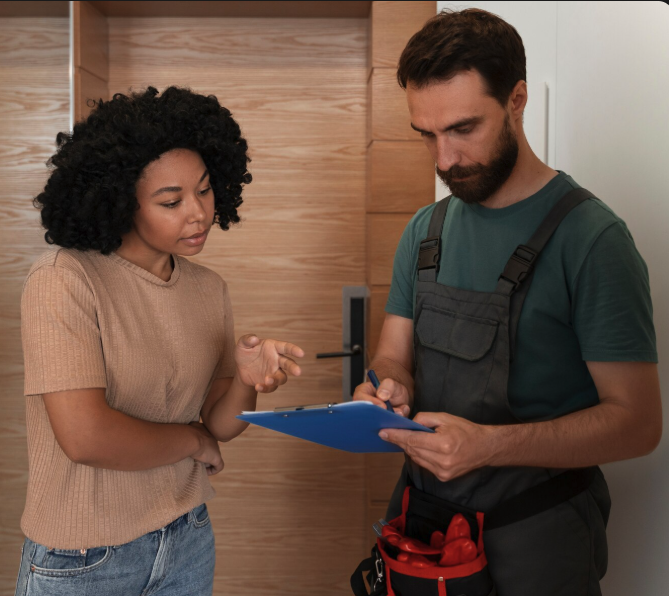
A good home inspector acts as a neutral professional who evaluates the property’s major systems and structure. Their goal is not to “pass or fail” a house, but to provide a clear understanding of its current condition so buyers can make informed decisions.
Understanding what inspectors typically look for can help homebuyers prepare, ask better questions, and feel more confident as they move toward closing.
Structural Integrity
One of the first areas inspectors evaluate is the overall structure of the home. This includes the foundation, framing, walls, ceilings, and floors. Inspectors look for signs of movement, cracks, uneven surfaces, or structural stress that could indicate long-term issues.
While small cosmetic cracks are common in many homes, larger or expanding cracks may suggest foundation concerns. Identifying these early allows buyers to better understand potential repair costs or negotiate repairs before closing.
Roofing Condition
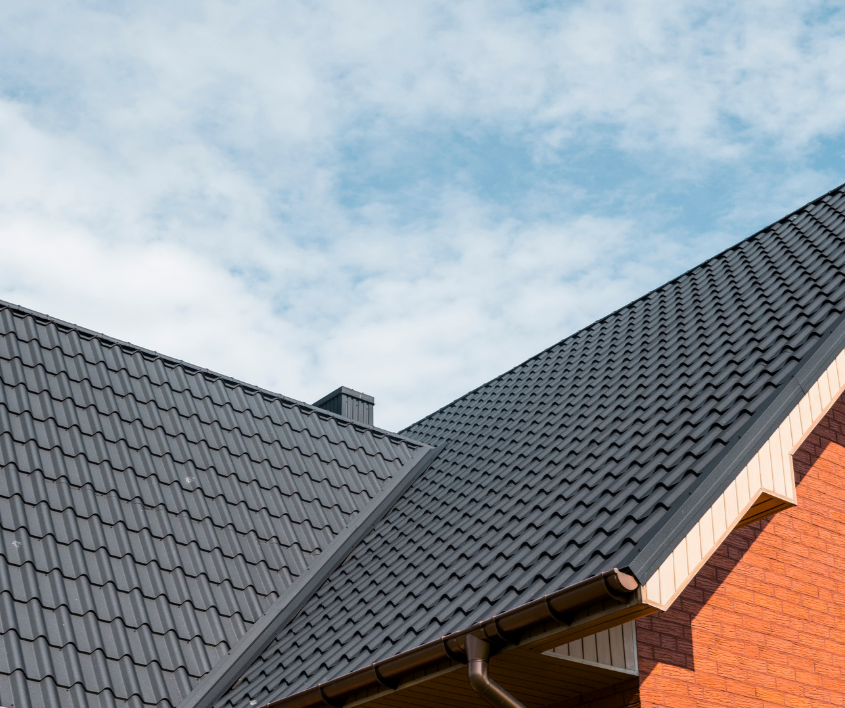
The roof is one of the most important components protecting a home from the elements. Inspectors typically examine:
Age and condition of shingles
Signs of leaks or water intrusion
Proper flashing around chimneys and vents
Evidence of sagging or structural damage
A roof nearing the end of its lifespan may not necessarily stop a home purchase, but it is valuable information for budgeting future maintenance or replacement.
Electrical System Safety
Electrical systems are carefully reviewed during an inspection because safety is a major concern. Inspectors will typically check:
Electrical panel condition and capacity
Proper grounding
Wiring type and visible damage
Functionality of outlets and switches
Older homes may still contain outdated wiring systems that could require upgrades. Knowing this ahead of time helps prevent unexpected expenses after moving in.
Plumbing and Water Systems
Water damage is one of the most common issues inspectors discover. During the inspection, they usually examine:
Pipes and visible plumbing connections
Water pressure and drainage
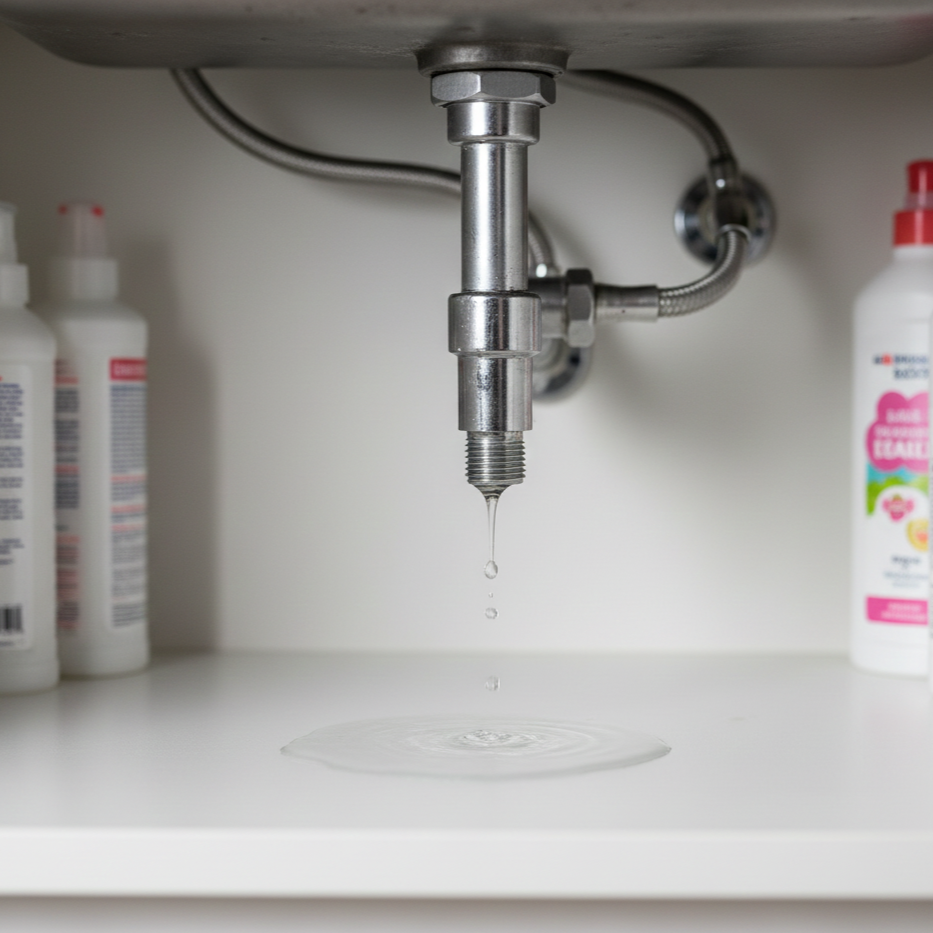
Signs of leaks under sinks and around fixtures
Water heater age and condition
Even small leaks can lead to larger problems if left unaddressed, so catching them before closing can save time and money.
HVAC Systems
Heating and cooling systems are essential for comfort and efficiency. Inspectors typically review:
Furnace or heat pump condition
Air conditioning functionality
Ventilation and airflow
Filter condition and maintenance signs
Understanding the age and maintenance history of HVAC systems helps buyers anticipate future servicing or replacement needs.
Attic, Insulation, and Ventilation
Attics can reveal a lot about a home's health. Inspectors often look for:
Adequate insulation levels
Proper ventilation
Signs of moisture or mold
Evidence of pest activity
These elements affect both energy efficiency and long-term structural integrity.
Windows, Doors, and Exterior Features
Inspectors also review exterior elements that protect the home, including:
Window seals and operation
Door alignment and security
Siding condition
Drainage around the property
Proper drainage is especially important because poor water flow can eventually lead to foundation damage.
Safety Features
A good inspection also checks important safety items such as:
Smoke detectors
Carbon monoxide detectors
Stair railings
Trip hazards or unsafe construction
These items help ensure the home meets basic safety expectations for future occupants.
Why Inspections Matter Before Closing
A home inspection is not about finding a perfect house—it’s about understanding the home you are purchasing. Even newer homes can have hidden issues, and older homes often come with maintenance needs that buyers should plan for.
The inspection report provides valuable insight that can help buyers:
Request repairs before closing
Negotiate purchase terms
Budget for future maintenance
Move into their new home with greater confidence
The Connection Between Inspections and Insurance
Home inspections also play an important role when preparing for homeowners insurance. Certain conditions—such as roof age, electrical upgrades, or plumbing issues—can affect coverage eligibility or policy pricing.
Understanding the property’s condition ahead of time can help ensure the insurance process moves smoothly before closing day.
Moving Toward Closing with Confidence
Buying a home is one of the biggest financial decisions many people will make. A quality home inspection helps turn uncertainty into clarity by providing a detailed look at the property’s current condition.
For buyers at any stage of the process, knowledge is one of the most valuable tools you can have. When you understand what a good inspector looks for, you can approach your closing date with greater peace of mind and confidence in your investment.