Insurance for Cleaning Businesses: What Coverage Do You Need If Damage Happens on the Job?
Running a cleaning business takes hard work, dedication, and a lot of trust. Whether you clean homes, offices, rental properties, or commercial spaces, your clients are inviting you into their personal environment—and that means your reputation matters just as much as the quality of your work.
But even the best and most careful cleaning professionals can run into unexpected situations. Accidents happen, and sometimes all it takes is one small mistake to create an expensive problem.
That’s why having the right insurance coverage is such an important part of protecting your cleaning business.
Why Cleaning Businesses Need Insurance
Cleaning businesses are often built on reliability and word-of-mouth. Customers want to know they can count on you, and they want peace of mind when someone is working inside their home or business.
Insurance helps provide that peace of mind—not only for your clients, but for you as well.
The right coverage can help protect your business if:
a customer claims you caused damage
someone gets hurt while you’re working
your supplies or equipment are stolen
an employee is injured on the job
a simple accident turns into a costly claim
Many cleaning businesses start small, but even a small business can face big financial risks if something unexpected happens.
What If a Cleaner Damages a Customer’s Home?
This is one of the most common questions cleaning business owners ask—and for good reason.
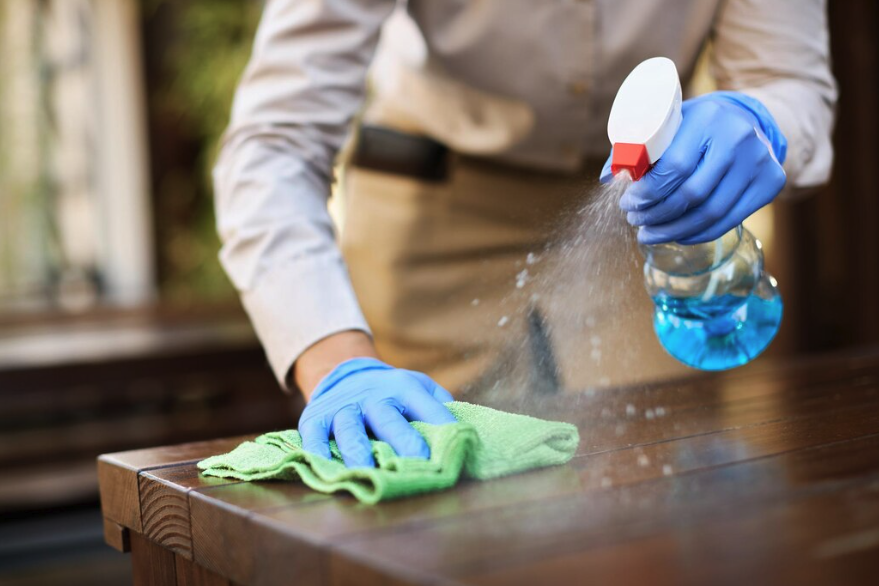
Cleaning work involves moving around furniture, using cleaning products, and working on surfaces that may be delicate or expensive. Even with the best intentions, mistakes can happen.
Some common examples include:
scratching hardwood floors while moving furniture
cracking a glass table or mirror
damaging countertops with the wrong cleaning product
staining carpet or upholstery
spilling chemicals on surfaces
accidentally causing water damage from sinks or tubs
If damage happens, the customer may expect the cleaning business to cover the cost of repair or replacement. In more serious cases, the customer may even consider legal action.
This is where the right insurance becomes incredibly valuable.
General Liability Insurance: The Most Important Coverage for Cleaning Businesses
If you own a cleaning business, general liability insurance is usually one of the most important coverages you can carry.
General liability insurance may help protect your business if you are held responsible for:
accidental property damage
bodily injury to others
legal defense costs if you are sued
For example, if a cleaning product damages a customer’s flooring or an item breaks during a visit, general liability insurance may help cover the cost, depending on the policy and situation.
This coverage can also help build credibility, especially if you work with:
property managers
real estate offices
commercial clients
short-term rental owners
Many businesses will not hire a cleaning company without proof of liability coverage.
Other Important Insurance Coverage for Cleaning Businesses
General liability is a great starting point, but depending on your business, you may need additional coverage to stay fully protected.
1. Commercial Auto Insurance
If you use a vehicle for business—such as traveling to client homes, transporting supplies, or bringing equipment—commercial auto insurance may be needed.
Personal auto policies often have limitations for business use.
Commercial auto coverage can help protect you if:
you’re involved in an accident while working
your vehicle causes damage to another vehicle or property
your business vehicle is stolen or damaged
2. Workers’ Compensation Insurance
If you have employees, workers’ compensation may be required depending on state laws.
Workers’ compensation can help cover:
medical bills
lost wages
injury-related expenses
Cleaning work can involve slips, falls, lifting injuries, and repetitive strain. Workers’ comp helps protect both the employee and the business.
3. Tools and Equipment Coverage
Cleaning supplies and equipment can be expensive, especially if you use commercial-grade items like:
vacuums
floor polishers
steam cleaners
ladders
specialty tools
If your equipment is stolen or damaged, replacing it can be a major financial setback.
Tools and equipment coverage may help pay to repair or replace essential items your business depends on.
4. Bonding (Janitorial Bond)
A janitorial bond is a smart option for cleaning businesses because it helps protect customers if something is stolen or goes missing.
Bonding can help build trust with clients, especially when you’re working inside homes or around valuable items.
Many customers feel more comfortable hiring a cleaning business that is both insured and bonded.
5. Business Owners Policy (BOP)
Many cleaning businesses choose a Business Owners Policy, which may bundle key coverages like:
general liability
business property coverage
business interruption coverage (depending on the policy)
A BOP is often a cost-effective way to get broad protection.
Why Having Insurance Helps You Grow
Insurance isn’t just about preparing for accidents—it can also help your business grow.
When you’re properly insured, you may be able to:
qualify for larger contracts
work with commercial clients
build stronger trust with customers
protect your income and business reputation
It shows your clients that you take your work seriously and that you’re prepared for the unexpected.
Final Thoughts
Cleaning businesses are built on trust, consistency, and hard work. But no matter how careful you are, accidents can happen. Having the right insurance coverage helps protect your business from costly setbacks and gives both you and your clients extra peace of mind.
If you own a cleaning business and want help reviewing your coverage options, we’re here to help you find protection that fits your business needs. 📞 423-541-1111