Is Basic Coverage Enough Anymore?
For years, many homeowners and business owners have relied on “basic” insurance coverage, assuming it would be enough when something goes wrong.
But today’s risks are different.
From rising repair costs to more severe weather events and increasing liability claims, the question isn’t just whether you have insurance—
It’s whether your coverage is still enough.
What Does “Basic Coverage” Really Mean?
Basic coverage typically refers to a standard policy that meets minimum requirements or includes only essential protections.
For homeowners, this may mean:
Coverage for the structure
Limited personal property protection
Standard liability limits
For businesses, it may include:
Basic property coverage
General liability
Minimal policy limits
While this type of coverage may have been sufficient in the past, it doesn’t always reflect today’s realities.
Why Basic Coverage May Fall Short Today
The risks people face today have evolved—and in many cases, increased.
Rising Construction Costs
The cost to repair or rebuild a home or commercial property has gone up significantly. If your coverage hasn’t been updated, you could be underinsured.
More Frequent Severe Weather
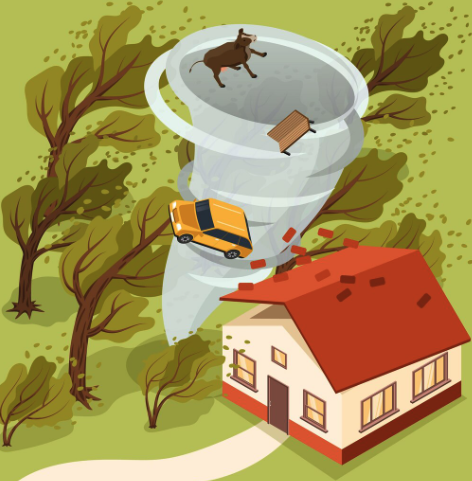
Storms, floods, and other natural events are becoming more common and more damaging.
Higher Liability Exposure
Medical costs and legal claims have increased, meaning even a single incident can result in substantial financial impact.
A Real-World Scenario
Imagine your home suffers major damage after a storm.
Your policy covers the structure—but only up to a certain limit. Due to increased construction costs, rebuilding ends up costing more than expected.
Now you’re responsible for the difference.
Or consider a liability claim where someone is injured on your property. If your coverage limit is too low, your policy may not fully cover the claim.
In both cases, you have insurance—but not enough.
The Hidden Gaps in Basic Coverage
Many policies include limitations that are often overlooked:
Coverage caps on personal property
Exclusions for certain types of water damage (like flooding)
Deductibles that may be higher than expected
Limited liability protection
These gaps don’t always become obvious until a claim is filed.
What Stronger Coverage Can Look Like
Upgrading your coverage doesn’t necessarily mean overpaying—it means aligning your policy with your actual risk.
This may include:
Increasing dwelling or property limits
Adding replacement cost coverage
Reviewing liability limits
Considering umbrella policies
Adding endorsements for specific risks
The goal is not just to have coverage—but to have meaningful protection.
How to Know If You’re Underinsured
Ask yourself:
Has the value of my home or property increased?
Have I updated my policy in the last few years?
Would my current limits fully cover a major loss?
Do I understand what my policy excludes?
If any of these answers are uncertain, it may be time for a review.
Why This Matters More Than Ever
Insurance isn’t static—it should evolve as your life, business, and environment change.
What worked five or ten years ago may not be enough today.
And when a loss happens, the difference between basic and adequate coverage can be significant.
Final Thoughts
Basic coverage may check a box—but it doesn’t always provide the protection you need.
In today’s environment, the goal isn’t just to have insurance—it’s to have coverage that truly reflects your risks.
Because when something unexpected happens, the real question won’t be:
“Do I have insurance?”
It will be:
“Do I have enough?”