Living Near a River in Tennessee? What You Should Know About Flood Insurance
Your Home Doesn't Have to Be in a "Flood Zone" to Be at Risk
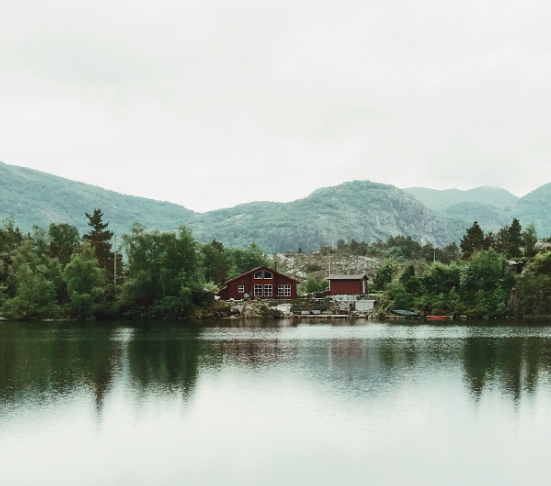
Living near a river can be beautiful.
The water views, peaceful surroundings, and quiet neighborhoods can make a home feel like the perfect place to live.
But there's another side to living near Tennessee's rivers, creeks, and streams:
Flood risk.
And one of the biggest misconceptions Tennessee homeowners have is:
"My homeowners insurance covers water damage, so I'm covered if my home floods."
Unfortunately, that's usually not how it works.
Most standard homeowners insurance policies do not cover damage caused by flooding. Tennessee's Department of Commerce & Insurance specifically advises homeowners who live near rivers, streams, or other areas prone to flooding to consider purchasing separate flood insurance.
So, what should Tennessee homeowners know?
Does Homeowners Insurance Cover Flood Damage?
Generally, no.
This is probably the most important thing to understand.
Standard homeowners insurance may cover certain types of water damage, but flooding is generally excluded.
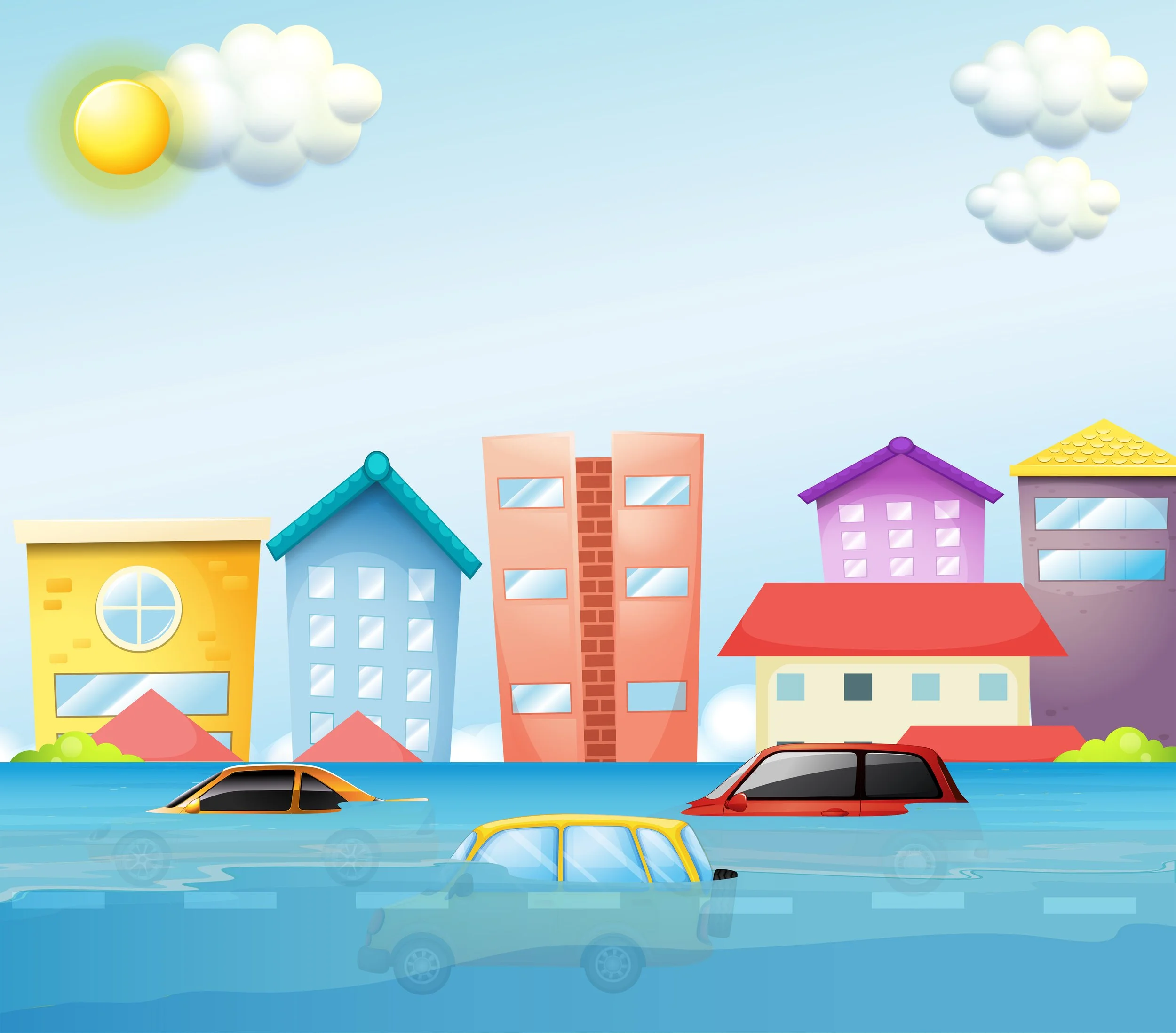
For example, if heavy rain causes a river to overflow and water enters your home, you shouldn't assume your homeowners policy will pay to repair the damage.
Flood insurance is generally a separate policy designed specifically for flood-related damage.
That distinction can make a huge difference after a major storm.
"But I Don't Live in a Flood Zone."
You may still have a flood risk.
Flood maps are useful tools, but being outside a high-risk flood area doesn't mean flooding is impossible.
Tennessee's Emergency Management Agency notes that flooding can happen outside mapped high-risk areas, and homeowners and renters near rivers, creeks, streams, drainage areas, and low-lying areas may want to consider flood insurance.
Think about it this way:
Where it can rain, it can potentially flood.
Heavy rainfall, overflowing waterways, drainage problems, and changing weather conditions can all contribute to flooding.
That's why it's worth looking beyond the label on a flood map and considering the actual characteristics of your property.
What Can Flood Insurance Cover?
Flood insurance can provide protection for eligible flood-related damage to your building, your belongings, or both, depending on the policy you purchase.
Depending on the policy, coverage may include things such as:
🏠 Your home's structure
🛋️ Furniture and personal belongings
📺 Electronics and appliances
👕 Clothing and other contents
🧹 Certain cleanup and debris-removal expenses
Coverage, limits, deductibles, and exclusions vary by policy.
That's why it's important to ask exactly what your flood policy covers rather than assuming everything affected by floodwater will automatically be replaced.
What If You Rent Your Home?
Flood insurance isn't only for homeowners.
Renters can also purchase flood insurance for their belongings. Tennessee officials specifically note that renters in participating NFIP communities can purchase flood insurance for personal property damaged by flooding.
Your landlord's insurance generally protects the building—not your personal belongings.
So if you're renting a home or apartment near a river or creek, flood risk is still something worth discussing.
Is Flood Insurance Required in Tennessee?
Not necessarily.
Flood insurance requirements can depend on the property's flood-risk designation and mortgage situation.
For example, properties in certain high-risk flood areas with federally backed mortgages may be required by the lender to carry flood insurance.
But here's the important part:
Not being required to have flood insurance doesn't mean you don't need it.
You may choose to purchase coverage because you want protection from the financial impact of a flood.
"I'll Just Wait Until There's a Storm."
This is one of the biggest mistakes you can make.
Flood insurance generally doesn't work like something you can buy after the water starts rising.
NFIP policies typically have a 30-day waiting period before coverage takes effect, although exceptions can apply. Private flood policies can have different waiting periods, so it's important to ask about the specific policy you're considering.
In other words:
Don't wait for the forecast to buy flood insurance.
The time to understand your options is before the next major storm.
What About FEMA Assistance?
Some homeowners assume:
"If my house floods, FEMA will pay for everything."
That's not something you should rely on.
Federal disaster assistance isn't guaranteed, and even when assistance is available, it may not cover the full cost of repairing or replacing your property. Tennessee officials specifically warn consumers not to assume federal disaster assistance will make them whole after a flood.
Flood insurance is designed to provide a separate source of financial protection for eligible flood losses.
A Tennessee Example
Imagine you live near a river in the Chattanooga area.
You've lived there for years without experiencing a major flood.
Then a period of heavy rainfall causes the river to rise significantly.
Water enters your home and damages your flooring, furniture, appliances, and other belongings.
You call your homeowners insurance company.
That's when you discover something important:
Your standard homeowners policy may not cover the flood damage.
If you had a flood insurance policy, eligible flood-related damage could potentially be covered according to that policy's terms and limits.
That's why flood insurance is worth thinking about before you need it.
5 Questions to Ask About Flood Insurance
If you live near a Tennessee river, creek, stream, or low-lying area, ask your insurance professional:
1. Is my property in a flood-risk area?
Don't rely only on what you remember about your neighborhood.
2. Does my homeowners policy cover flooding?
For most standard homeowners policies, the answer is no.
3. What would flood insurance cover?
Ask about both building coverage and contents coverage.
4. What is my deductible and coverage limit?
Knowing your potential out-of-pocket cost is just as important as knowing your premium.
5. Is there a waiting period?
Don't wait until a major storm is approaching to ask.
Don't Let a Beautiful River View Create a Blind Spot
Living near the water can be one of the best parts of owning a home in Tennessee.
But beautiful surroundings can sometimes make it easy to overlook the risk that comes with them.
Flooding doesn't always happen where you expect it.
If your home is near a river, creek, stream, drainage area, or other low-lying location, take a few minutes to understand your flood risk and insurance options.
At RISE Insurance, we help Tennessee homeowners understand their insurance options so they can make informed decisions before the unexpected happens.
📞 423-541-1111
🌐 www.riseins.com
📧 info@riseins.com