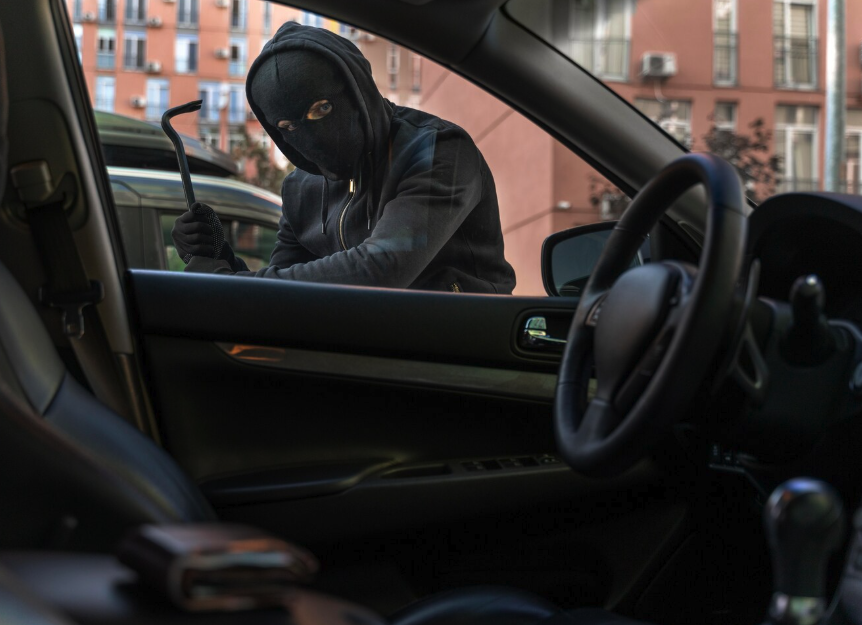
Theft Claims Explained: What Actually Happens After Your Car Gets Broken Into
You walk back to your car and immediately notice something is wrong.
The window is shattered. Your glove box is open. Your backpack, laptop, wallet, or other valuables are gone.
After the shock wears off, most people immediately ask the same question:
“Will insurance cover this?”
The answer is more complicated than many drivers realize.
The Biggest Misunderstanding About Car Theft Claims
One of the most common insurance myths is that auto insurance automatically covers everything stolen from your vehicle.
In many cases, it doesn’t.
Your car insurance and your personal belongings are often treated as two completely separate claims.
That means:
Your auto insurance may cover damage to the vehicle itself
But your homeowners or renters insurance may cover stolen personal items inside the car
A lot of people don’t discover this until after a break-in happens.
What Auto Insurance Usually Covers
If you carry comprehensive coverage, your policy may help pay for:
Broken windows
Damaged locks
Ignition damage
Vandalism from attempted theft
A stolen vehicle
For example:
If someone smashes your car window and damages the door while trying to steal the car, comprehensive coverage would usually apply.
But there’s a catch:
You still have to pay your deductible first.
So if:
Repairs cost $1,200
Your deductible is $500
The insurance payout may only be around $700.
What Auto Insurance Usually Does NOT Cover
This surprises many people:
Most car insurance policies do not cover personal belongings stolen from inside your vehicle.
That means items like:
Laptops
Phones
Cameras
Bags
Wallets
Jewelry
Gaming devices
may not be covered under your auto policy at all.
Instead, these items often fall under:
Homeowners insurance
Renters insurance
Even though the theft happened inside the car.
Why Insurance Companies Separate the Claims
Insurance companies divide risk into categories.
Your auto policy is designed to insure:
The vehicle
Vehicle-related damage
Liability from accidents
Your renters or homeowners policy is designed to protect:
Personal belongings
Property theft
Household contents
That’s why a single car break-in can sometimes involve:
One claim for vehicle damage
Another claim for stolen property
What Happens If Your Car Is Stolen Entirely?
If your entire vehicle is stolen, comprehensive coverage may reimburse you for the car’s current market value.
But this creates another problem many drivers don’t expect:
Insurance usually pays the actual cash value of the vehicle — not what you originally paid for it.
So if:
You bought the car for $35,000
It’s now worth $24,000
The payout may only reflect the current value.
If you still owe more on the loan than the car is worth, you could end up financially upside down unless you have:
Gap insurance
Loan payoff coverage
Why Theft Claims Sometimes Get Denied
Insurance companies investigate theft claims carefully because fraud is common in this category.
Claims may face problems if:
There’s no police report
Ownership can’t be verified
Receipts are missing
The story changes
The claim is delayed
There’s evidence of negligence
For expensive items like electronics or jewelry, insurers may ask for:
Serial numbers
Purchase records
Photos
Bank statements
Without documentation, payouts can become difficult.
The Hidden Problem With Deductibles
Many theft victims discover another frustrating issue:
The deductible can sometimes make smaller claims not worth filing.
Example:
Window repair = $450
Deductible = $500
In that situation, insurance may pay nothing.
This is one reason why some drivers choose higher deductibles for lower monthly premiums — but regret it after a break-in.
Why Car Break-Ins Are Becoming More Expensive
Insurance companies are seeing rising theft-related costs due to:
More expensive vehicle technology
Higher repair costs
Increased organized theft rings
Keyless entry hacking
Rising electronics theft
Modern cars now contain costly sensors, cameras, and smart systems that make even small theft-related damage expensive to repair.
A smashed side window on newer vehicles can sometimes cost far more than people expect.
How to Protect Yourself Before a Theft Happens
Insurance experts recommend:
Never leaving valuables visible
Recording serial numbers
Taking photos of expensive items
Understanding your deductibles
Reviewing comprehensive coverage
Checking renters/homeowners coverage limits
Many people assume they’re protected until a theft happens — only to realize important gaps in coverage afterward.
The Bottom Line
Car theft claims are more complicated than most drivers realize.
Your insurance may cover:
Vehicle theft
Broken windows
Theft-related damage
But your personal belongings inside the car may require an entirely different type of policy.
Understanding the difference before a break-in happens can save you from major financial surprises later.
For support with your insurance needs, RISE Insurance is here to help. Give us a call at 423-541-1111 — we’d be happy to assist you!