What Happens If Someone Borrows My Car and Crashes?
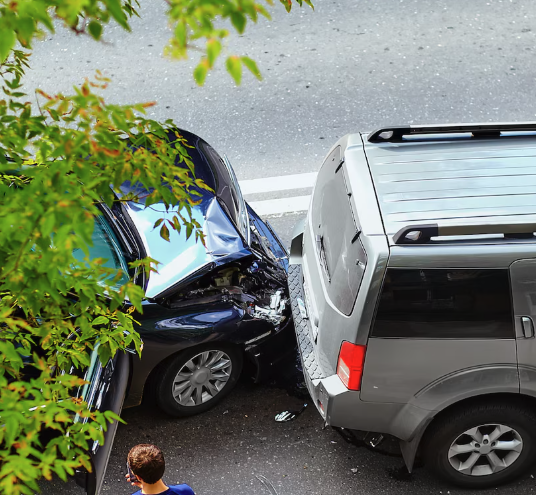
Letting a friend or family member borrow your car may seem like no big deal. But if they get into an accident, many drivers immediately ask:
Whose insurance covers the crash—the driver’s or the car owner’s?
In most cases, the answer is: your insurance follows your vehicle, not the driver. However, there are important exceptions depending on your policy, the driver, and the circumstances.
Here’s what you should know if someone borrows your car and crashes.
Does Car Insurance Follow the Driver or the Vehicle?
Generally, auto insurance follows the car. That means if you allow someone to drive your vehicle and they cause an accident, your auto insurance policy is usually the first one to respond.
This is often referred to as permissive use, meaning you gave the driver permission to use the vehicle.
When Your Insurance Typically Covers the Accident
Your policy may cover the accident if:
the driver had your permission to use the car
the driver is legally licensed
the driver is not excluded on your policy
the vehicle is being used for normal personal use
If these conditions are met, your coverage may apply to damage and liability depending on the type of claim.
What Coverage Would Apply?
If your policy covers the accident, it may include:
Liability Coverage
If your friend causes damage to someone else’s vehicle or property, or injures someone, your liability coverage may apply.
Collision Coverage
If your car is damaged and you carry collision coverage, your policy may help pay for repairs after your deductible.
Comprehensive Coverage
If the damage is not collision-related (theft, vandalism, weather), comprehensive coverage may apply.
What If the Driver Has Their Own Insurance?
In many cases, the vehicle owner’s insurance is primary, and the driver’s insurance may be secondary.
That means if damages exceed your policy limits, the driver’s policy may potentially help cover what your insurance does not, depending on their coverage.
Will Your Insurance Rates Increase?
Possibly. Since the claim is usually filed under the vehicle owner’s policy, it may affect your claims history and future premiums.
Even though you were not driving, your policy is often the one that pays first, and the accident may be tied to your insurance record.
What If the Driver Was Not Listed on Your Policy?
If someone regularly drives your car—such as a roommate, significant other, or household family member—they may need to be listed on your policy.
Insurance companies often require that household members be disclosed because they have frequent access to the vehicle.
If the driver should have been listed but was not, the carrier may investigate and coverage could become complicated.
What If the Driver Was Excluded?
If the driver is specifically listed as an excluded driver on your policy, then there is typically no coverage if they crash your vehicle.
Excluded drivers are not covered under any circumstance, even if you gave them permission.
What If They Took the Car Without Permission?
If someone takes your car without permission, it may be considered unauthorized use or theft. In that case, your insurance company will likely treat the claim differently.
You may need to file a police report, and coverage will depend on the situation and your policy.
What If They Were Driving for Rideshare or Delivery Work?
If someone uses your car for business purposes like:
Uber or Lyft
DoorDash or Instacart
delivery services
Your personal auto policy may not cover the accident unless the proper endorsement or commercial coverage is in place.
This is a common reason claims can be delayed or denied.
What You Should Do If Someone Crashes Your Car
If an accident happens, here are important steps to take:
Make sure everyone is safe and call emergency services if needed
Gather photos, witness info, and accident details
Report the claim to your insurance carrier as soon as possible
Confirm who was driving and whether they had permission
Be prepared to provide a statement to the adjuster
Should You Let Someone Borrow Your Car?
Before lending your vehicle, it is a good idea to consider:
Is the person properly licensed?
Do they have a good driving history?
Do they live in your household?
Would you be financially comfortable if a claim is filed under your policy?
Even a small accident can create long-term costs if it affects your premium.
Final Thoughts
In most cases, if someone borrows your car and crashes, your auto insurance policy is the first line of coverage. That is why it is important to understand who is driving your vehicle and ensure your policy is updated with the correct drivers.
If you are unsure whether someone should be listed on your policy, or you want to review your auto coverage, we are here to help.