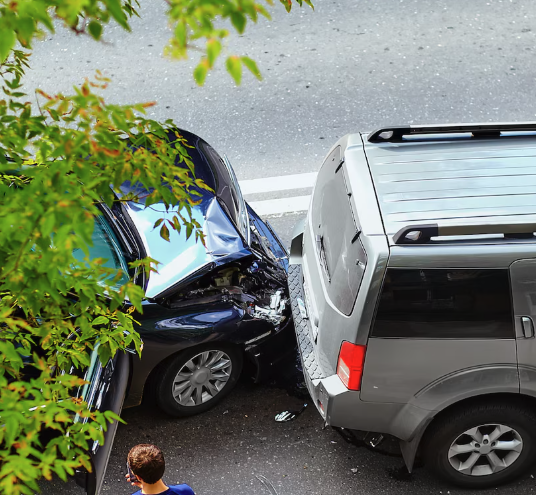
What Happens If an Employee Crashes a Company Vehicle?
If your business uses company vehicles—whether it’s one truck or an entire fleet—accidents are always a possibility. One of the most common questions business owners ask is:
What happens if an employee crashes a company vehicle?
The answer depends on several factors, including who was driving, what the vehicle was being used for, what coverage is in place, and whether the employee was authorized to drive.
Here’s what business owners should know.
1. The Company’s Insurance Typically Comes First
In most cases, when an employee crashes a company-owned vehicle while performing job duties, the claim is handled through the business’s commercial auto insurance policy.
Commercial auto insurance may help cover:
property damage to the company vehicle (if physical damage coverage is included)
damage to other vehicles or property
bodily injury liability if someone is injured
legal defense costs (depending on the policy)
If the employee was acting within the scope of their job, the business is usually responsible.
2. Was the Employee Authorized to Drive?
Insurance carriers typically require that drivers be:
listed on the policy or eligible drivers under the policy
properly licensed
approved by the company
If an employee was not authorized, not licensed, or has a disqualifying driving record, the claim could become complicated and may impact coverage depending on policy terms.
Best practice: keep an updated driver list and run MVR checks as needed.
3. Was the Vehicle Being Used for Work or Personal Use?
A major factor is whether the employee was:
driving for business purposes (delivery, job site travel, errands)
driving for personal reasons (off-duty errands, unauthorized use)
If the employee was using the vehicle outside of company policy, coverage may still apply, but it can lead to:
coverage disputes
disciplinary action
increased business liability
Businesses should have clear written rules for company vehicle use.
4. What If the Employee Is at Fault?
If the employee is at fault, the company’s commercial auto liability coverage generally responds for damages to others.
However, being at fault can still affect:
future insurance premiums
renewal eligibility
claim history and underwriting
If the employee has multiple accidents, it may require policy changes or driver restrictions.
5. What If Another Driver Is at Fault?
If the other driver caused the accident, your company may still file through:
your own commercial auto policy first (faster repairs)
then seek reimbursement through subrogation (carrier recovers costs)
Your insurer may pursue the other party’s insurance company to recover the claim amount.
6. Injuries: Workers’ Comp May Apply
If the employee is injured while driving for work, the injury may fall under workers’ compensation, not commercial auto.
Workers’ comp may help cover:
medical expenses
lost wages
rehabilitation costs
This is why businesses often need both:
commercial auto insurance
workers’ compensation coverage
7. What If the Employee Was Driving Recklessly or Under the Influence?
If an employee crashes while:
driving under the influence
racing
reckless driving
committing a crime
This can lead to serious consequences, including:
criminal charges for the employee
lawsuits against the business
potential coverage complications depending on policy terms
termination of employment
Even when the employee makes a poor decision, the business can still face liability exposure.
8. What You Should Do After the Accident
If an employee crashes a company vehicle, take these steps:
Ensure everyone is safe and call emergency services if needed
Report the accident to police
Gather photos, witness info, and details
Notify your insurance carrier immediately
Document what happened and confirm the employee was on duty
Review your company vehicle policy and driver eligibility
Final Thoughts
Employee accidents happen, but the right coverage and company policies can make a big difference.
If your business uses company vehicles, it is important to review your commercial auto coverage, confirm drivers are listed correctly, and ensure you have a clear vehicle-use policy in place.
If you have questions about commercial auto insurance or fleet coverage, we are here to help.