What Happens If Your Tennessee Home Becomes Unlivable After a Covered Loss?
Understanding Loss of Use & Additional Living Expense Coverage
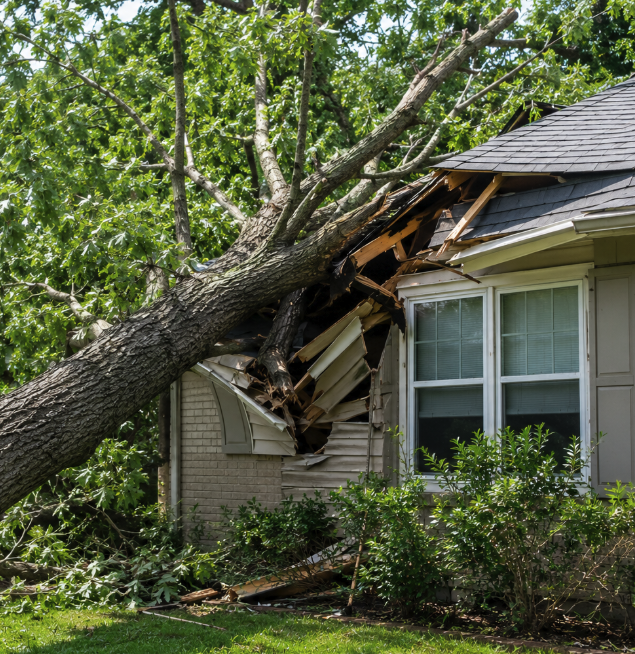
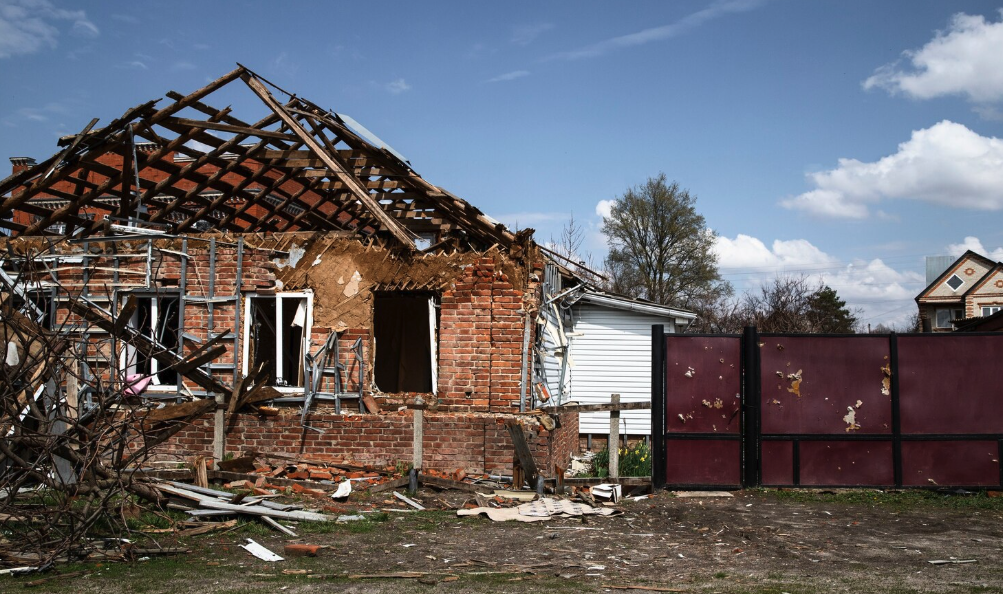
Imagine a Tennessee storm damages your roof, a fire makes your home unsafe, or a major covered loss leaves your house unlivable.
You know your insurance may help repair the damage—but where are you supposed to live while that happens?
This is where Loss of Use coverage, also known as Additional Living Expense (ALE), can become incredibly important.
What Is Loss of Use Coverage?
Loss of Use coverage can help pay certain additional living expenses when a covered loss makes your home temporarily unlivable.
Depending on your policy, this may include expenses such as:
🏨 Hotel or temporary housing
🍽️ Increased food costs
🧺 Laundry expenses
🚗 Additional transportation costs
📦 Storage or other necessary expenses
The key word is additional.
Your policy generally isn't designed to pay for your normal household expenses. Instead, ALE is intended to help with the extra costs created because you can't live in your home.
Does Homeowners Insurance Pay for a Hotel in Tennessee?
It may.
If your home becomes uninhabitable because of a covered loss, your Loss of Use coverage may help pay for appropriate temporary housing.
For example, suppose a severe storm damages your roof and causes significant water damage inside your home. Repairs are expected to take several weeks, and your family can't safely stay there.
You may need to stay in a hotel or temporary rental.
Your policy may help cover eligible additional housing expenses, subject to your coverage limits and policy terms.
But don't assume every hotel or rental expense is automatically covered.
Always check with your insurance company or agent about what your policy provides.
What About Food and Other Expenses?
Being displaced can make everyday life more expensive.
Maybe your temporary housing doesn't have a kitchen, so you're eating out more often.
Maybe you're paying for a laundromat instead of doing laundry at home.
Maybe your temporary home is farther from work or school, increasing your transportation costs.
Depending on your policy, these additional expenses may be eligible for reimbursement.
For example:
Normal food expenses: $200/week
Food expenses while displaced: $350/week
The potentially eligible additional expense could be the $150 difference, rather than the entire $350.
Your policy determines how your claim is handled.
How Much Loss of Use Coverage Do You Have?
This is something every Tennessee homeowner should check before a loss happens.
Your Loss of Use limit can be found on your homeowners insurance declarations page. The amount and way it is calculated can vary by policy.
Ask yourself:
"If I had to move my family into temporary housing tomorrow, would my current Loss of Use coverage be enough?"
A few nights in a hotel may not seem expensive.
But several weeks—or months—of temporary housing and additional expenses can add up quickly.
What If the Damage Isn't Covered?
This is important.
Loss of Use coverage generally applies when the underlying damage comes from a covered cause of loss.
Not every type of property damage is covered by a standard homeowners policy.
For example, flood damage may require separate flood insurance.
So don't assume:
"My house is unlivable, so insurance will pay for my hotel."
The cause of the damage and the terms of your policy matter.
What Should You Do If Your Home Becomes Unlivable?
If you experience a covered loss:
1. Put safety first.
If your home is unsafe, leave and follow guidance from emergency officials and professionals.
2. Contact your insurance company or agent.
Ask specifically about Loss of Use / Additional Living Expense coverage.
3. Keep your receipts.
Save receipts for hotels, temporary housing, meals, laundry, transportation, storage and other additional expenses.
4. Ask questions before making large commitments.
If you need emergency lodging, don't delay getting somewhere safe. But once possible, check with your claims representative before committing to expensive long-term arrangements.
Don't Wait Until You Need a Hotel to Check Your Coverage
Most homeowners think about insurance in terms of repairing the house and replacing belongings.
But what happens if you can't actually live in the house?
That's where Loss of Use coverage can make a major difference.
Take a few minutes to check your homeowners policy and find your Loss of Use limit.
And if you're not sure what it means, ask your insurance professional to explain it.
At RISE Insurance, we're here to help Tennessee homeowners understand their coverage before the unexpected happens.
Because when your home can't be your home, knowing where your coverage stands can make a difficult situation a little easier.
Frequently Asked Questions
Does homeowners insurance pay for a hotel after a fire?
If the fire is a covered loss and makes your home uninhabitable, Loss of Use coverage may help with eligible temporary housing expenses.
Does Loss of Use cover food?
It may cover certain additional food expenses caused by being displaced.
How long does Loss of Use coverage last?
It depends on your policy, coverage limit and the circumstances of the loss.
Do I need to save receipts?
Yes. Keep documentation of additional expenses related to your temporary living situation.
Is Loss of Use the same as Additional Living Expense?
The terms are commonly used to describe coverage for additional expenses when you cannot live in your home because of a covered loss.
Insurance coverage varies by policy. This article is for educational purposes only and is not a substitute for reviewing your individual policy or speaking with your insurance professional.