Why Some Homes Are Becoming Harder to Insure in 2026: Rising Home Insurance Costs Explained
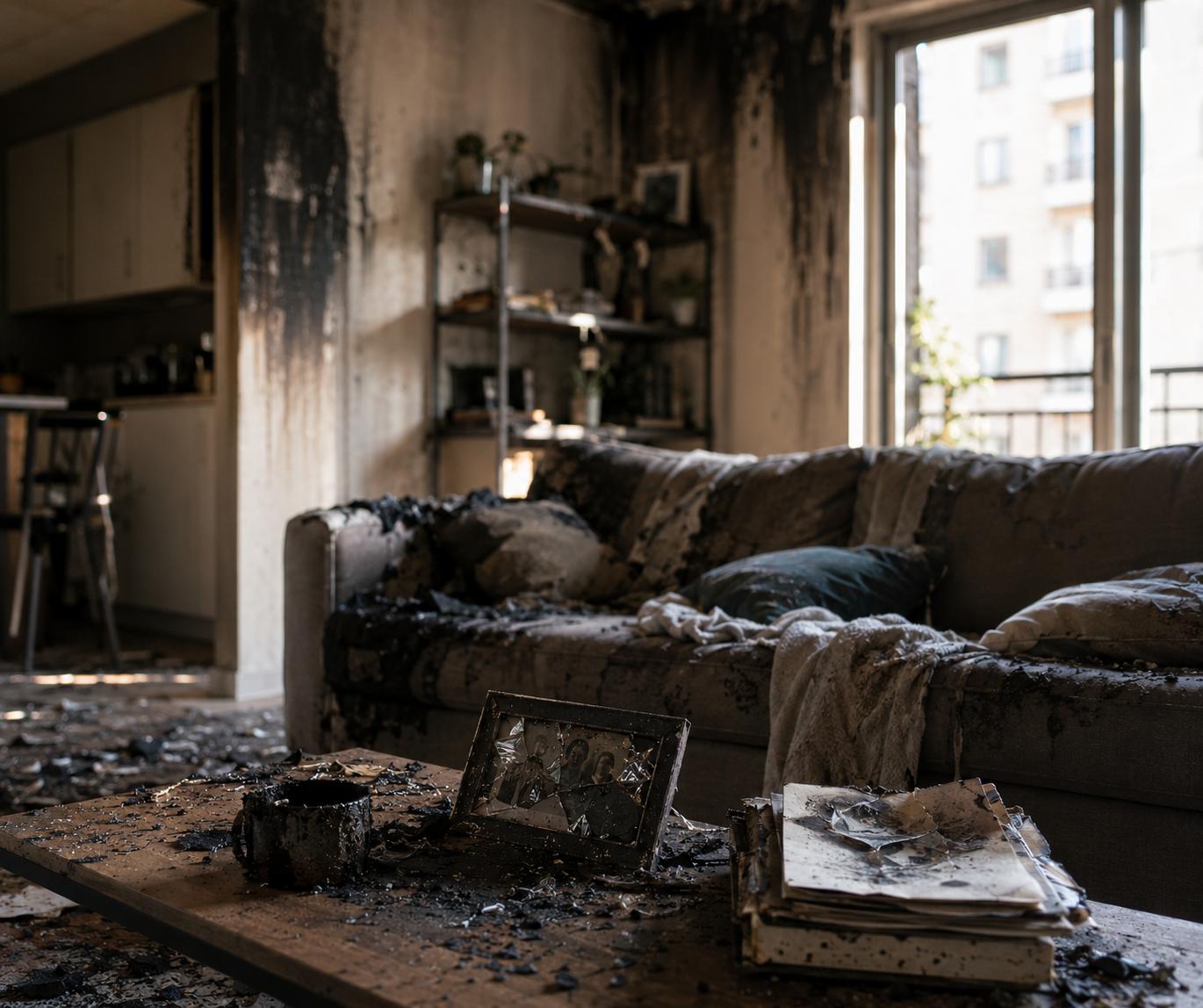
If you've recently shopped for homeowners insurance, you may have noticed something surprising: some homes are becoming more difficult—and more expensive—to insure.
In 2026, homeowners across Tennessee and the United States are finding that obtaining affordable homeowners insurance is becoming more challenging. Insurance companies are tightening underwriting guidelines, increasing premiums, and in some cases declining coverage altogether for certain properties.
But why is this happening?
Understanding the factors that make a home harder to insure can help homeowners avoid surprises and better protect their investment.
Why Are Some Homes Harder to Insure in 2026?
Insurance companies evaluate risk when deciding whether to insure a property. As claims costs continue to rise and weather-related losses become more frequent, insurers are becoming more selective about the homes they cover.
Several factors can increase a home's insurance risk, including:
Older roofs
Aging electrical systems
Plumbing issues
Prior claims history
Location-based risks
Severe weather exposure
Vacant properties
Deferred maintenance
When a property presents a higher likelihood of future claims, insurance companies may charge higher premiums, require repairs, or decline coverage altogether.
Older Roofs Are a Major Concern
One of the biggest reasons homes become difficult to insure is an aging roof.
A roof serves as the first line of defense against:
Wind
Rain
Hail
Snow
Falling debris
Insurance companies know that older roofs are more likely to experience damage and generate claims.
Many carriers now have roof age restrictions, especially for roofs that are:
More than 15–20 years old
Showing signs of wear
Missing shingles
Poorly maintained
Some insurers may require proof of replacement or inspection before offering coverage.
Severe Weather Is Increasing Insurance Risk
Weather-related losses continue to be one of the largest drivers of homeowners insurance claims.
Insurance companies are seeing more claims involving:
Hail damage
Windstorms
Tornadoes
Flooding
Wildfires
Severe thunderstorms
As weather-related claims increase, insurers must adjust their pricing and underwriting practices to account for higher risk.
Homes located in areas prone to frequent storms may experience:
Higher premiums
Reduced carrier options
Additional inspections
Coverage restrictions
Rising Construction Costs Impact Home Insurance
The cost of repairing or rebuilding homes remains significantly higher than it was just a few years ago.
Factors contributing to higher rebuilding costs include:
Labor shortages
Increased material costs
Supply chain challenges
Higher contractor demand
When a home suffers damage, insurance companies must pay more to restore the property. These rising costs ultimately affect insurance premiums and carrier underwriting decisions.
Claims History Matters More Than Ever
Insurance companies often review a property's prior claims history before offering coverage.
Multiple claims within a short period may signal a higher likelihood of future losses.
Examples include:
Water damage claims
Roof claims
Fire losses
Liability claims
Even if a homeowner was not personally responsible for previous losses, a history of frequent claims can sometimes impact insurability and pricing.
Older Home Systems Can Create Challenges
Homes with outdated systems may face additional scrutiny from insurance carriers.
Electrical Systems
Older wiring can increase fire risk.
Plumbing Systems
Aging pipes can lead to leaks and costly water damage.
Heating Systems
Older heating equipment may present safety concerns.
Structural Issues
Foundation problems and deferred maintenance can increase the likelihood of future claims.
Many insurance companies prefer homes with updated systems and documented improvements.
Vacant Homes Are Often Harder to Insure
A vacant home typically presents greater risk than an occupied property.
Vacant properties may be more vulnerable to:
Theft
Vandalism
Water damage
Undetected maintenance issues
Because of these risks, vacant homes often require specialized insurance coverage.
How Homeowners Can Improve Their Insurability
Fortunately, there are several steps homeowners can take to improve their chances of securing affordable coverage.
Maintain Your Roof
Address roof issues promptly and schedule regular inspections.
Update Major Systems
Consider upgrading outdated electrical, plumbing, and HVAC systems.
Stay on Top of Maintenance
Small repairs today can help prevent major claims tomorrow.
Review Your Insurance Annually
Regular policy reviews help ensure you have adequate protection and identify opportunities for savings.
Work With an Independent Insurance Agency
Independent agencies can compare multiple carriers and help find the best fit for your home's unique characteristics.
Tennessee Homeowners Insurance: What to Expect in 2026
Tennessee homeowners may continue to see changes in insurance pricing and availability as carriers respond to rising claims costs, severe weather events, and rebuilding expenses.
However, having an older home or a property with unique characteristics does not mean you cannot find coverage.
The key is working with experienced insurance professionals who understand the market and can help identify available options.
Get Help Finding Homeowners Insurance in Tennessee
If you're having difficulty finding homeowners insurance or simply want to review your current policy, the team at RISE Insurance is here to help.
We work with multiple insurance carriers and can help you explore coverage options tailored to your property and budget.
📞 Call RISE Insurance today at (423) 541-1111
Whether you're purchasing a new home, renewing your current policy, or searching for better coverage, we're here to help you protect what matters most.