Landlord Insurance vs. Renters Insurance: The Coverage Gap Every Renter Should Understand
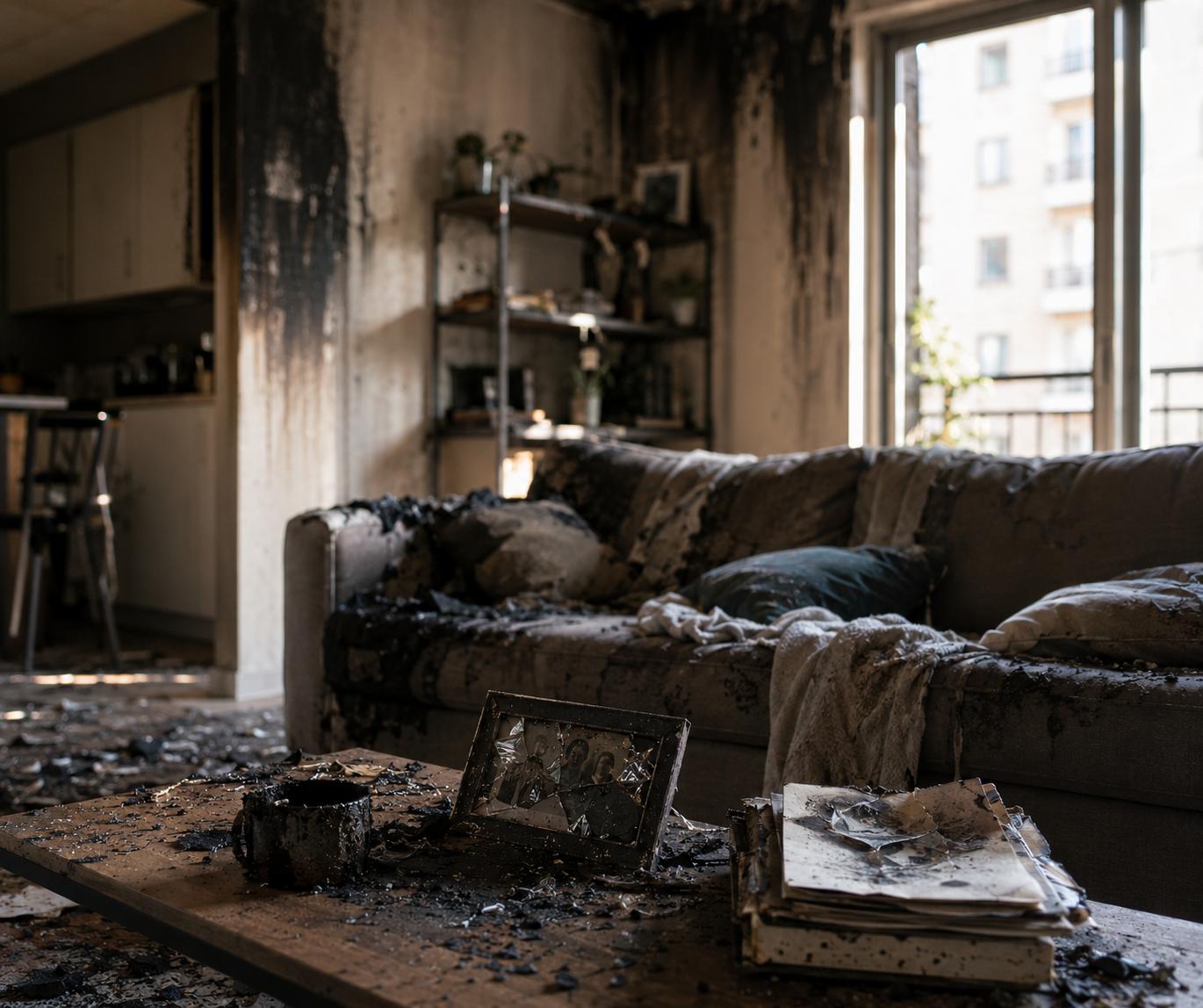
Imagine losing everything in your apartment overnight and discovering that your landlord's insurance won't replace your furniture, clothing, electronics, or personal belongings. Unfortunately, many renters don't learn this distinction until after a loss occurs.
Recent events have reminded us of an important insurance lesson: landlord insurance and renters insurance serve very different purposes. Understanding the difference before a loss happens can help protect your finances, your belongings, and your peace of mind.
The Biggest Misunderstanding in Apartment Living
Many renters assume that if an apartment building is damaged by a fire, storm, or other disaster, the landlord's insurance policy will cover everything inside their unit.
Unfortunately, that's not how insurance works.
A landlord's insurance policy is designed to protect the property owner and the building itself. While it may help repair or rebuild the structure after a covered loss, it does not cover a tenant's personal belongings.
That means items such as:
Furniture
Clothing
Electronics
Kitchenware
Home office equipment
Personal keepsakes
are the tenant's responsibility.
What Does Landlord Insurance Cover?
Landlord insurance is designed to protect:
The apartment building and structures
Common areas
The property owner's liability exposure
Potential lost rental income after a covered claim
While these protections are critical for the property owner, they do not extend to the personal property of tenants living in the building.
What Does Renters Insurance Cover?
A standard renters insurance policy (commonly known as an HO-4 policy) typically includes three important coverages:
Personal Property Coverage
This protects your belongings if they're damaged or destroyed by a covered loss such as fire, lightning, theft, or certain types of water damage.
Personal Liability Coverage
Liability coverage helps protect you if you're found legally responsible for causing damage or injury to others.
For example, if a fire starts in your apartment and spreads to neighboring units, liability coverage may help pay for covered damages.
Additional Living Expenses (ALE)
If your apartment becomes uninhabitable after a covered loss, ALE coverage can help pay for:
Hotel accommodations
Temporary housing
Additional meal expenses
Other necessary living costs while repairs are completed
For many families, this coverage can be just as important as replacing personal belongings.
The Growing Confusion Around "Renters Insurance"
One of the biggest sources of confusion today is that not every product marketed as "renters insurance" provides the same protection.
Some apartment communities offer programs through third-party providers that may include:
Liability-only coverage
Damage waivers
Surety bond products
These programs may primarily protect the landlord's interests rather than the tenant's personal belongings.
As a result, some renters discover after a loss that their furniture, electronics, and clothing were never covered at all.
The lesson is simple:
Always review the actual policy and declarations page—not just the name of the program.
Common Questions About Renters Insurance
1. If someone says they had "renters insurance" but learned it only covered liability, how can that happen?
There are a couple of common explanations.
In some cases, tenants are automatically enrolled in a landlord-required damage-waiver or liability program that may be loosely described as renters insurance but isn't a true renters policy.
In other cases, a tenant may have purchased a renters policy but selected no personal property coverage, allowed coverage to lapse, or didn't realize liability and personal property are separate coverage sections.
The best way to verify coverage is to review your declarations page and look for a specific dollar amount listed for personal property coverage.
2. Does a landlord ever require only liability coverage instead of a full renters policy?
Yes.
Many apartment communities require tenants to carry liability coverage because it protects the landlord and neighboring residents if a tenant causes damage that affects others.
However, landlords typically have no financial interest in whether a tenant's own belongings are insured.
As a result, personal property coverage is often left entirely up to the renter.
3. What's the difference between liability coverage and personal property coverage?
Liability Coverage
Protects you when you're responsible for causing injury or damage to others.
Example: A kitchen fire starts in your apartment and spreads to neighboring units.
Personal Property Coverage
Protects your own belongings when they're damaged by a covered loss.
Examples include:
Furniture
Electronics
Clothing
Household items
Personal property coverage protects your possessions regardless of who owns the building.
4. After a fire, what expenses are typically covered under a standard renters policy?
Depending on the policy and coverage selections, a standard renters policy may help cover:
Personal Property
Replacing damaged or destroyed belongings.
Liability Protection
If you're found legally responsible for the loss.
Additional Living Expenses (ALE)
Costs associated with being displaced, including:
Hotels
Temporary housing
Additional food expenses
Medical Payments Coverage
Many policies also include a small amount of coverage for minor injuries to guests.
5. What should every renter check in their policy today?
Take a few minutes to review your policy and make sure you know:
✅ Do I have personal property coverage at all?
✅ Is the coverage amount enough to replace everything I own?
✅ Do I have Replacement Cost Coverage or Actual Cash Value coverage?
✅ What is my Additional Living Expense (ALE) limit?
✅ How long does ALE coverage last?
✅ What liability limit do I carry?
✅ Is fire damage—including lightning-caused fire—covered?
Three Things Every Renter Should Remember
"Landlord insurance protects the building. Renters insurance protects your stuff."
"If you rent, assume nothing in your apartment is covered unless you bought a policy for it."
"Auto-enrolled 'renters insurance' from a landlord isn't always real insurance—sometimes it's simply a damage waiver that protects them, not you."
Final Thoughts
No one expects a fire, lightning strike, or major loss to happen to them. But when disaster strikes, understanding your coverage before you need it can make all the difference.
A landlord's policy may help rebuild the building, but it won't replace your furniture, clothing, electronics, and other personal belongings. That's why reviewing your renters insurance today can be one of the smartest financial decisions you make.
Before the unexpected happens, take a few minutes to confirm exactly what your policy covers—and whether it's enough to protect the things that matter most.